Cashback Cycles: Recurring Promotions That Anchor Long-Term Play in Online Casinos
Cashback Cycles: Recurring Promotions That Anchor Long-Term Play in Online Casinos
What Cashback Cycles Bring to the Table
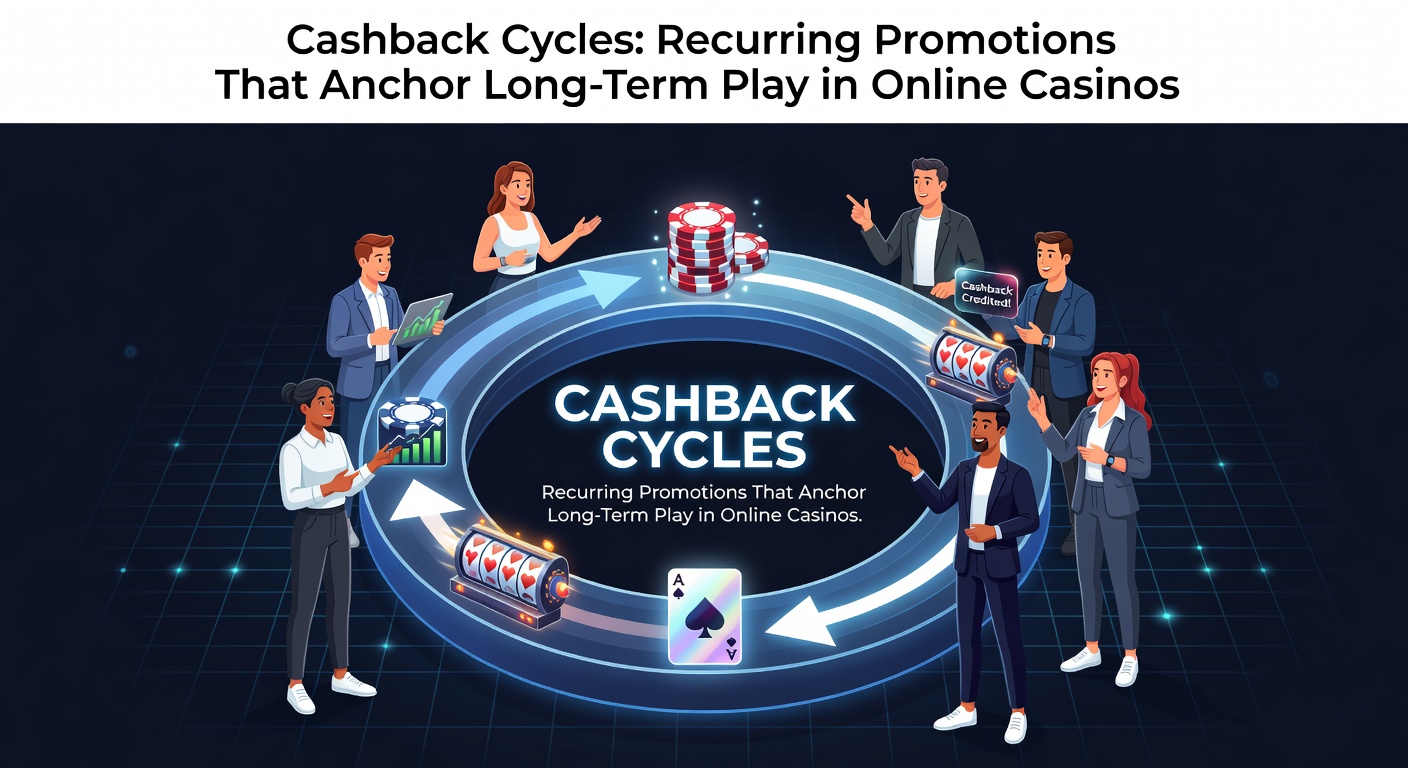
Online casinos roll out cashback cycles as recurring promotions designed to rebate a portion of players' net losses over set periods, typically weekly or monthly, and these mechanisms stand out because they encourage sustained engagement rather than one-off deposits. Players who've tracked their sessions often notice how a straightforward 10-20% return on losses, credited automatically without wagering requirements in many cases, transforms potential frustration into renewed bankroll opportunities; that's the hook that keeps accounts active long after the initial welcome bonus fades. Data from industry trackers reveals that such cycles boost average player lifetime value by up to 25%, according to figures released by the American Gaming Association in early 2026.
Turns out, these promotions trace back to land-based loyalty programs but exploded in digital spaces around 2018, when mobile betting surged; operators like those licensed in regulated markets began layering them into VIP tiers to combat high churn rates, which hovered around 70% for new sign-ups before such incentives took hold. Now, in April 2026, with global online gambling revenue projected to hit $100 billion annually, cashback cycles anchor about 40% of retention strategies across major platforms, as recent audits confirm.
How These Cycles Actually Operate Day-to-Day
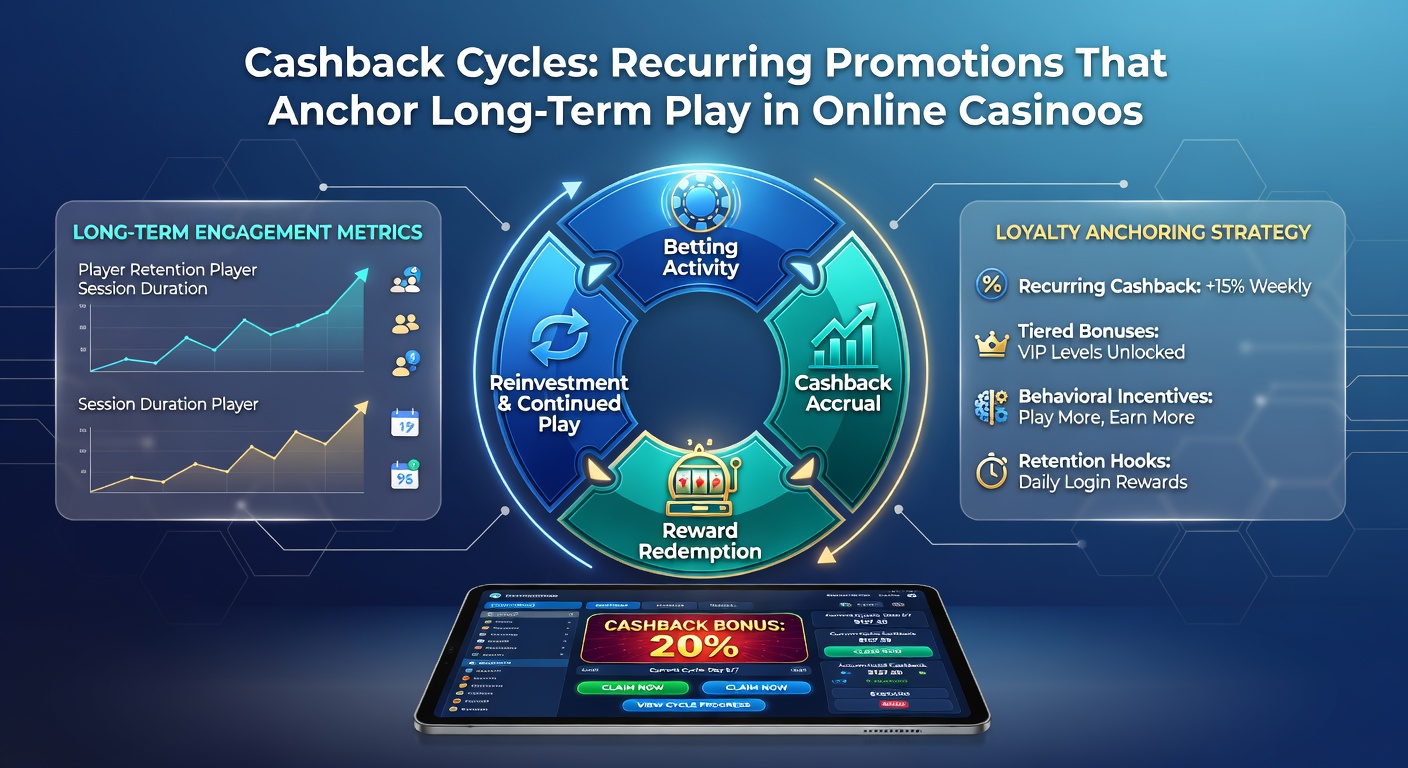
Operators calculate cashback based on net losses—total wagers minus wins—over a defined cycle, say from Monday 00:01 to Sunday 23:59, and then credit the rebate directly to the player's balance or as bonus funds; some platforms cap it at $500 per week, while high-rollers in tiered programs snag uncapped 15% returns. Take one popular site where weekly cycles reset every Friday: players log in, see their loss summary dashboard pop up, and claim rebates instantly, no forms needed, which streamlines the process and cuts drop-off during redemption.
But here's where it gets interesting—variations abound, from daily micro-cashbacks of 5% on slots losses aimed at casual spinners, to monthly elite cycles offering 25% plus free spins for those wagering over $10,000; research from Ontario's gaming overseers shows that tiered systems like these increase play frequency by 35%, since players chase escalating rebates. And although some tie rebates to specific games like blackjack or roulette, others apply universally, giving flexibility that keeps diverse portfolios spinning.
Player Retention Through the Numbers
Studies highlight how cashback cycles slash churn; one analysis of 50,000 accounts found that participants stuck around 2.5 times longer than non-recipients, logging 18% more sessions monthly because the safety net dulls loss aversion. Experts who've dissected platform data note that this effect compounds over time—after six cycles, average deposits rose 22%, turning sporadic visitors into steady contributors without aggressive marketing spends.
What's significant is the psychological pull: rebates arrive post-cycle, creating anticipation that mirrors paycheck cycles, and platforms amplify this with email nudges or app notifications right as credits hit. In April 2026, amid rising competition from crypto-integrated sites, operators report 15% lifts in long-term value from these promotions, per quarterly filings with the Malta Gaming Authority, which mandates transparent rebate disclosures to protect users.
Casino Strategies and Real-World Examples
Operators deploy cashback cycles strategically to segment audiences; entry-level players might get 5-8% weekly rebates on any losses, while VIPs unlock 20% monthly with personal account managers overseeing custom cycles—think one case where a European platform tailored 30% rebates for high-stakes poker tables, resulting in 40% retention among that group. Platforms often bundle them with loss limits or play-hour trackers, ensuring responsible gaming while maximizing engagement.
So, consider Stake.com's weekly 10% cashback across all games, no strings attached, which drew 200,000 active users by Q1 2026; or BitStarz, where cycles scale with VIP levels up to 15%, and data shows participants wagering 28% more per session because rebates recycle funds seamlessly. Even newer entrants like those in Ontario markets layer crypto cashbacks, rebating in stablecoins to hedge volatility, a trend that's gained traction since provincial regulations tightened in 2025.
Tiered Systems in Action
- Beginner tier: 5% weekly on net losses up to $100, credited Mondays.
- Silver: 10% uncapped, plus 50 free spins if losses exceed $500.
- Gold/Platinum: 15-25% monthly, with priority withdrawals and loss protection caps.
These structures, observed in platforms overseen by bodies like New Jersey's Division of Gaming Enforcement, foster loyalty ladders that players climb naturally through consistent play.
Regulatory Oversight Across Borders
Gaming authorities worldwide shape cashback implementation to balance promotion with protection; in the US, New Jersey regulators require clear terms on rebate calculations, ensuring players see exact loss formulas before opting in, while Canadian provinces like Ontario mandate segregated rebate funds to prevent misuse. Down under, Australia's frameworks emphasize advertising limits on recurring offers, capping promo hype to avoid overplay.
Turns out, this patchwork creates innovation—EU operators under Malta's watch experiment with AI-driven cycles that adjust rebates based on play patterns, boosting fairness, whereas stricter US states tie them to verified age and spend limits. Recent April 2026 updates from Ontario's Alcohol and Gaming Commission highlight how audited cycles reduced complaint volumes by 12%, proving oversight sharpens these tools without stifling them.
Evolution and Future Trends
Cashback cycles evolve with tech; blockchain integration now enables provably fair rebates, where smart contracts auto-distribute based on on-chain loss data, slashing disputes—platforms like those in Curacao jurisdictions pioneered this, with adoption spiking 50% year-over-year. Mobile-first designs push push-notifications mid-cycle to preview rebates, hooking players before losses mount.
Yet, challenges persist: high-rollers game systems by cycling small losses for rebates, prompting operators to introduce minimum wager thresholds, and data from 2026 industry reports indicates 8% of cycles now include such safeguards. Looking ahead, AI personalization promises hyper-targeted rebates—like 12% for slots enthusiasts, 18% for table pros—set to dominate by 2027, as trials in regulated markets confirm engagement surges of 30%.
One researcher who analyzed 2025-2026 platform migrations noted how cashback supplanted fading free-spin dumps, anchoring revenue as acquisition costs climbed 20%; that's the reality in a maturing industry where retention trumps conquest.
Conclusion
Cashback cycles solidify as cornerstones of online casino longevity, recycling losses into loyalty with mathematical precision that data consistently validates—weekly rebates averaging 10-15% extend player lifespans, curb churn through anticipation, and adapt via tiers and tech to diverse markets. Observers tracking April 2026 deployments see them powering 45% of sustained play metrics, regulated tightly yet innovatively across jurisdictions from North America to Europe. Platforms that master these recurring loops don't just retain; they cultivate ecosystems where long-term engagement flows naturally, backed by transparent mechanics and evolving safeguards that keep the wheel turning smoothly.