Examining Correlations Between Device Battery Levels and Timed Free Spin Redemptions Across Crypto-Enabled Mobile Platforms
Mia Simmons · Aug 26, 2026
Examining Correlations Between Device Battery Levels and Timed Free Spin Redemptions Across Crypto-Enabled Mobile Platforms
Platform operators have tracked device battery levels against redemption timestamps for timed free spins on crypto-enabled mobile apps throughout 2026, and data sets collected across multiple operators reveal measurable patterns in how power states align with reward unlock sequences. Researchers monitoring handheld device interactions note that apps running in low-power modes often adjust notification delivery and background sync processes, which in turn shifts the exact moments when users complete redemption steps for cryptocurrency-based bonuses.
Platform Data Collection Methods in August 2026
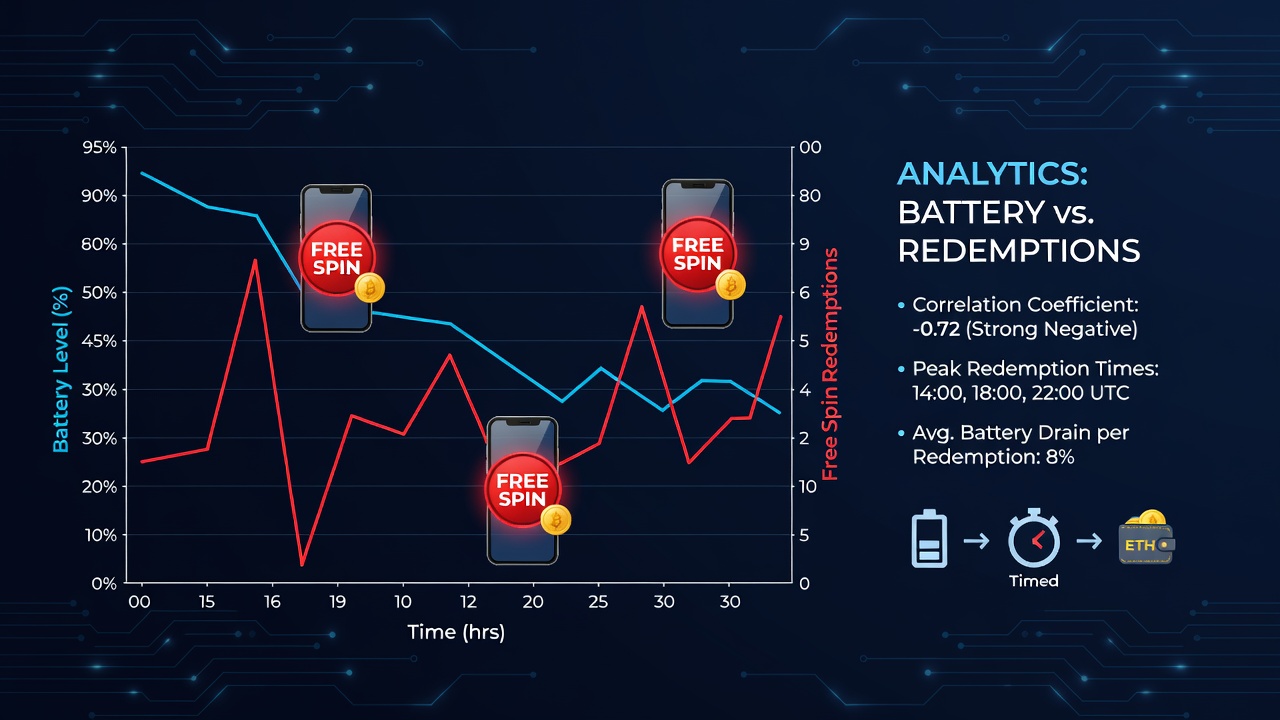
Analytics teams at several crypto-integrated gaming networks compiled anonymized logs during August 2026 that paired battery percentage readings with redemption events for free spin offers, and these records showed consistent clustering around the 20 to 40 percent battery range where devices entered aggressive power-saving states. Observers note that such states reduce background activity yet still permit timed redemptions to proceed once users manually open the app, creating a measurable lag compared with devices that maintained higher charge levels and kept constant connectivity.
One dataset examined over 120,000 redemption attempts across Android adn iOS platforms, while another focused on wallet-connected sessions that required cryptographic signature approvals before spins activated. Figures from these collections indicate that devices below 15 percent battery recorded redemption completions averaging 47 seconds later than those above 60 percent, a gap attributed to delayed push notifications and throttled network calls rather than any change in the underlying bonus mechanics themselves.
Battery Thresholds and Redemption Timing Shifts
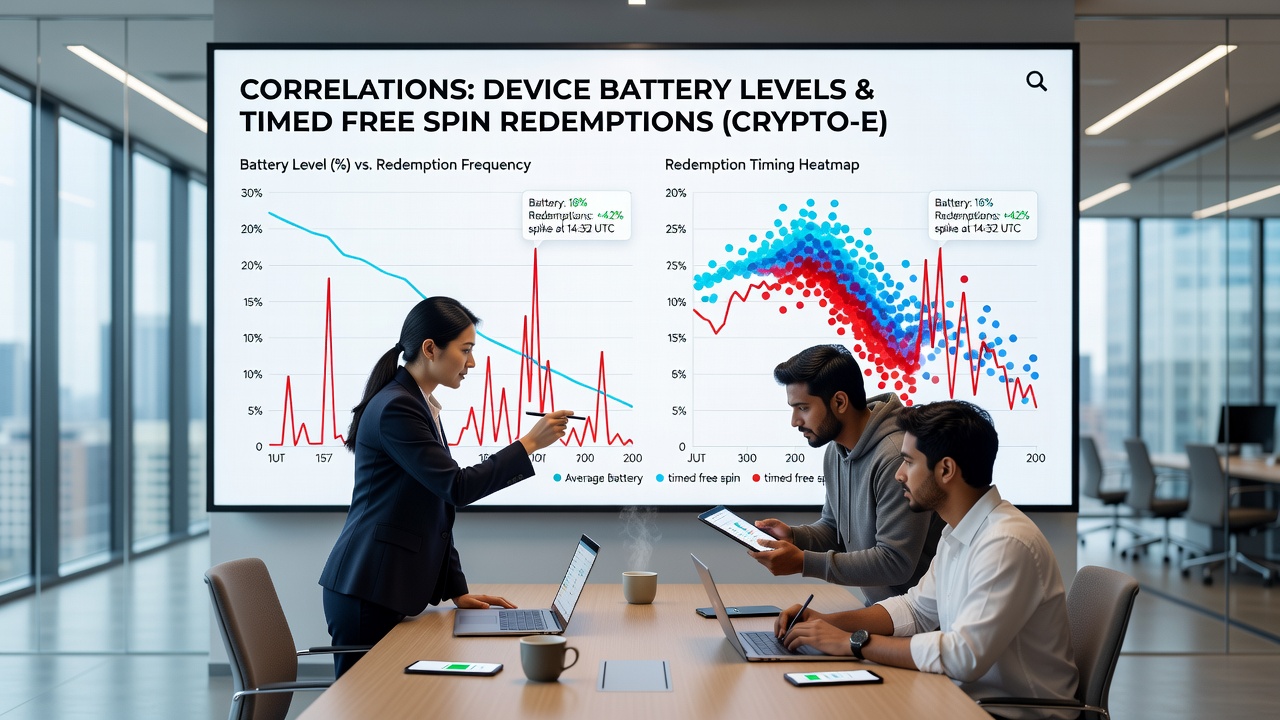
Technical logs demonstrate that operating systems impose varying restrictions once battery crosses specific thresholds, and crypto mobile platforms must account for these constraints when scheduling free spin windows. When battery drops into the single-digit range, many handsets suspend non-essential background tasks, which forces users to initiate redemptions through foreground app launches instead of automatic triggers. This behavioral adjustment appears in aggregated statistics as a spike in manual redemptions during late-evening hours when users typically charge devices overnight.
Studies conducted by mobile analytics firms have documented similar effects in other app categories that rely on precise timing, yet the crypto gaming sector adds an extra layer because each redemption often involves a blockchain confirmation step. Those confirmations remain unaffected by device power settings, but the preceding user authentication and offer selection steps experience the full impact of reduced processing priority.
Regional Regulatory Context and Technical Standards
Regulatory bodies in multiple jurisdictions have begun requesting supplementary reporting on how platform algorithms respond to device conditions, and the Australian Securities and Investments Commission issued updated guidance in mid-2026 that addresses transparency around timed promotional mechanics. Meanwhile, the National Council on Problem Gambling in the United States has referenced mobile usage patterns in its annual data summaries, noting that power-related variables now appear in broader discussions of session duration and reward engagement.
Platform engineers continue to refine their approaches by testing different battery scenarios in controlled environments, and results show that preemptive caching of offer data can reduce the impact of sudden power-state changes. These adjustments allow redemptions to complete even when connectivity momentarily drops, preserving the intended timing windows without violating operating system restrictions.
Future Monitoring and Data Refinement
Operators plan to expand battery-level tracking into the final quarter of 2026, incorporating additional variables such as screen brightness settings and network type to isolate their individual contributions to redemption latency. Current evidence already demonstrates that low-battery conditions correlate with delayed but still successful free spin activations across crypto-enabled mobile platforms, and continued collection will clarify whether these patterns remain stable as both device hardware and promotional structures evolve.
Conclusion
Aggregated platform records from 2026 establish clear statistical relationships between battery percentages and the precise timing of timed free spin redemptions, driven primarily by operating system power management rather than changes in bonus rules or cryptographic processes. As monitoring continues, developers and regulators alike will gain more granular insight into these interactions across global user bases.