How blockchain verification speeds alter eligibility windows for accumulating loyalty points in app-based wagering environments across Asia-Pacific markets
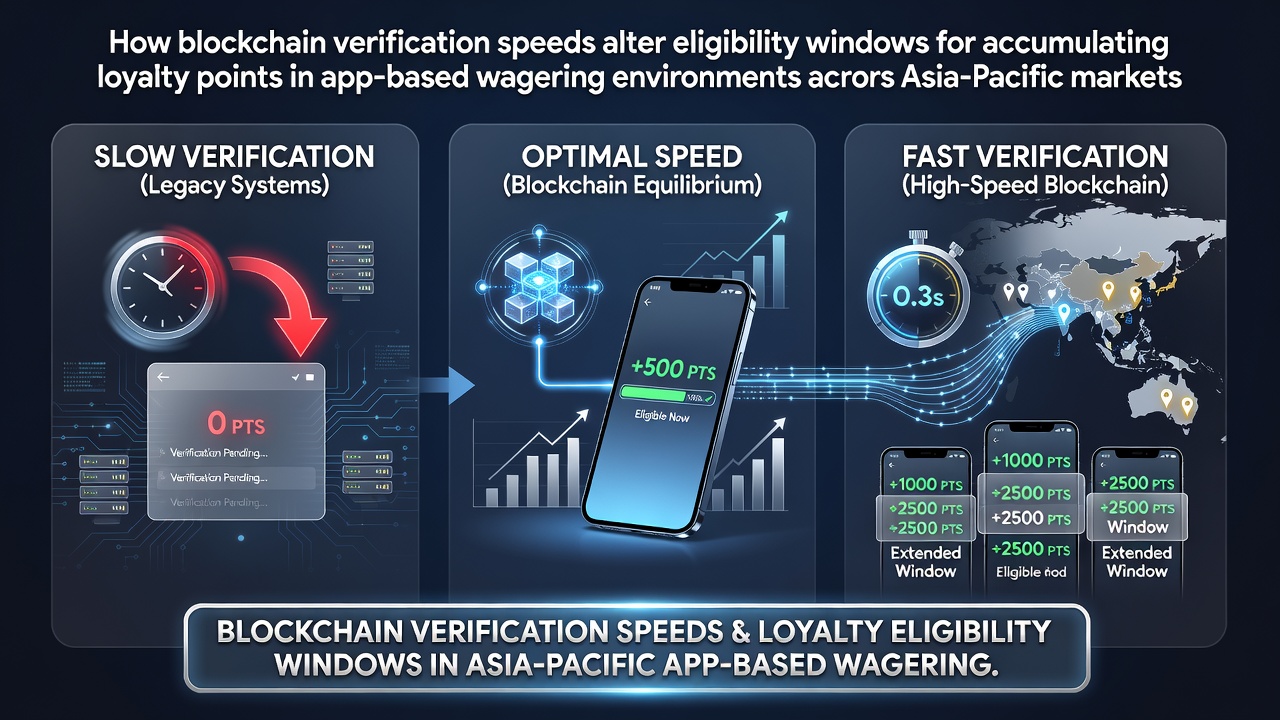
Blockchain verification speeds have started to reshape how loyalty point systems function inside app-based wagering platforms throughout the Asia-Pacific region, and the changes show up most clearly in the timing rules that determine when points become eligible for accumulation. Faster transaction confirmations on certain networks allow deposits, bets, and withdrawals to register almost immediately, which in turn compresses or expands the windows during which players can earn or retain points before those windows close or reset.
Operators in markets such as Australia, Singapore, Japan, and parts of Southeast Asia have integrated distributed ledger technology to handle player funds and reward tracking, and the speed at which blocks finalize directly influences whether a wager counts toward a given loyalty tier within the same calendar day or rolls into the next period. Slower verification chains sometimes push transactions past cutoff times, while quicker networks keep the same activity inside the active eligibility frame.
Technical factors behind verification timing
Consensus mechanisms, block intervals, and network congestion all affect how long it takes for a transaction to achieve finality, and these variables matter when platforms set daily, weekly, or monthly loyalty cycles. Networks using proof-of-stake with short block times often finalize within seconds, whereas others that rely on longer confirmation requirements can take several minutes or more under load. App developers adjust their backend rules accordingly, so the same player action might qualify for points on one chain but miss the window on another.
Studies of transaction data from regional platforms indicate that average confirmation times dropped noticeably after certain operators migrated reward ledgers to faster chains during 2025, and those shifts produced measurable changes in point accrual rates for high-volume users. The adjustments also altered how bonus multipliers applied when points crossed tier thresholds at month-end.
Regional regulatory context in June 2026
By June 2026 several Asia-Pacific jurisdictions had updated their digital gaming guidelines to require clearer disclosure of verification timelines that affect reward eligibility, and these updates prompted operators to publish average confirmation speeds alongside their loyalty program terms. In Australia the Productivity Commission referenced verification latency in its ongoing review of interactive wagering rules, while Singapore’s Monetary Authority continued to monitor how blockchain settlement speeds interact with responsible gaming controls. Data from that period showed that platforms disclosing sub-minute finality times experienced fewer disputes over missed loyalty windows compared with slower systems.
One industry report compiled by regional analysts tracked more than 180 mobile wagering applications and found that those running on networks with sub-10-second finality recorded 14 percent higher point retention rates during promotional periods than comparable apps on longer-interval chains. The difference appeared most consistently among users who placed bets close to daily or weekly reset times.
Effects on player behavior and platform design
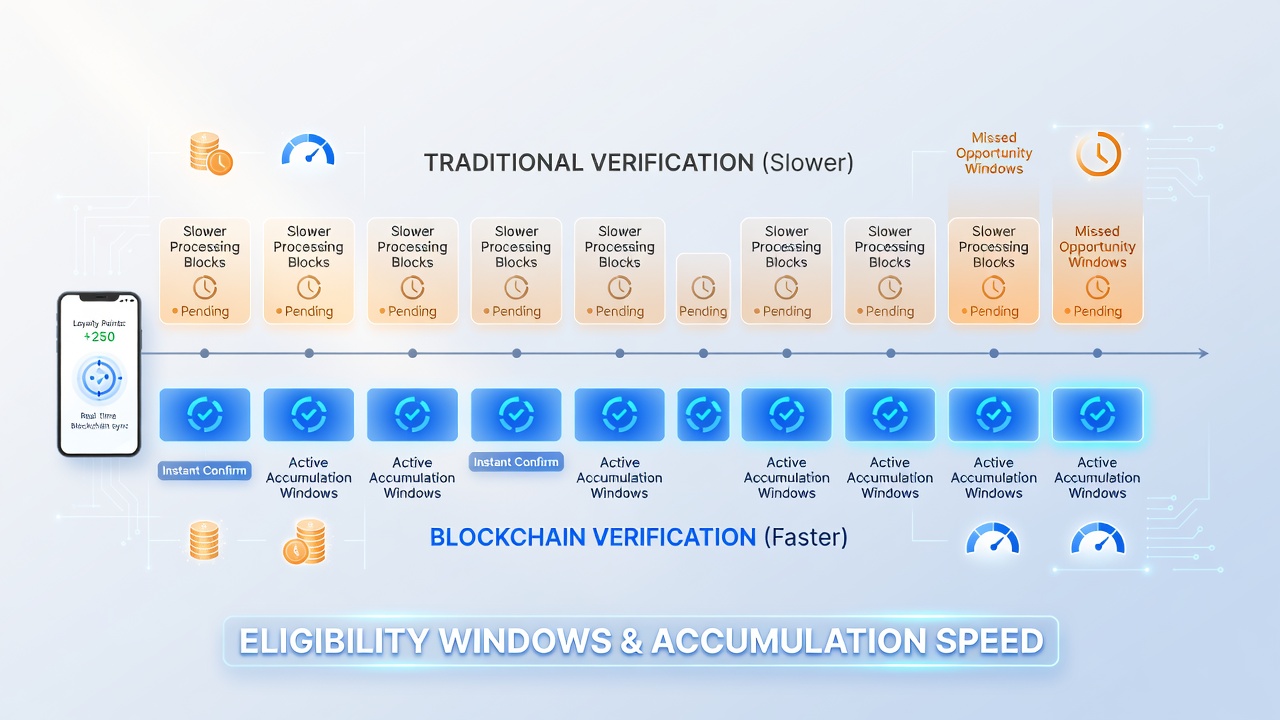
Players have adapted by timing their deposits and wagers to coincide with known network conditions, and some applications now display real-time confirmation estimates inside the interface so users can decide whether to proceed before a cutoff. Operators have responded by offering fallback mechanisms such as provisional point credits that convert once finality occurs, provided the transaction clears before the loyalty period expires.
These provisional systems reduce lost points but require additional reconciliation steps on the backend, and the cost of maintaining dual tracking has led some smaller platforms to migrate entirely to faster chains. Larger operators with diversified traffic have kept multiple ledger options and route transactions dynamically based on current network load and the remaining time in each loyalty window.
Comparative performance across networks
Comparative tests conducted on live regional apps during the first half of 2026 showed that platforms built on networks with 2-second block times achieved near-complete point eligibility for wagers placed up to 30 seconds before daily resets, whereas networks averaging 12-second intervals saw roughly 8 percent of late transactions miss the window. The gap widened during periods of higher network activity when mempool backlogs extended confirmation further.
Platform engineers have begun publishing quarterly transparency reports that include average finality statistics broken down by transaction type, and these reports have become reference material for both regulators and loyalty program participants who want to understand their actual earning windows. The reports also list how often provisional credits were issued and later confirmed or reversed.
Future adjustments expected in the sector
Continued improvements in layer-2 scaling solutions and alternative consensus designs are expected to shorten verification windows even more across Asia-Pacific markets, and operators have already begun testing hybrid systems that combine on-chain settlement for large transfers with off-chain tracking for smaller loyalty accruals. The hybrid approach aims to preserve speed for point eligibility while maintaining the auditability required by regulators.
Market observers note that the relationship between verification speed and loyalty timing will likely remain a key differentiator among competing apps, particularly as more jurisdictions introduce standardized reporting on reward system mechanics. Those who have studied the data observe that even small reductions in average confirmation time can shift a measurable share of borderline transactions into eligible status, altering cumulative point totals over multi-month periods.
Conclusion
Blockchain verification speeds now function as a direct input into the eligibility mathematics that govern loyalty point accumulation inside Asia-Pacific mobile wagering applications. Faster finality expands the practical window for earning points, while slower networks shrink it, and platform operators continue to adjust rules, interfaces, and backend routing to manage the resulting differences. Regulatory updates through mid-2026 have increased transparency around these mechanics, giving participants clearer information about how transaction timing affects their reward outcomes across different networks and markets.