How Data Patterns Shape Recurring Reward Eligibility Across Global Digital Betting Networks

Data patterns in global digital betting networks determine recurring reward eligibility through continuous tracking of player behavior, transaction histories, and engagement metrics across platforms that operate under varied regulatory frameworks in regions including North America, Europe, and Asia-Pacific. Operators collect vast datasets on bet frequency, wager sizes, game preferences, and session durations, then apply analytical models to segment users into tiers that unlock reload bonuses, cashback programs, and loyalty multipliers on a recurring basis.
Core Mechanisms of Data Collection and Analysis
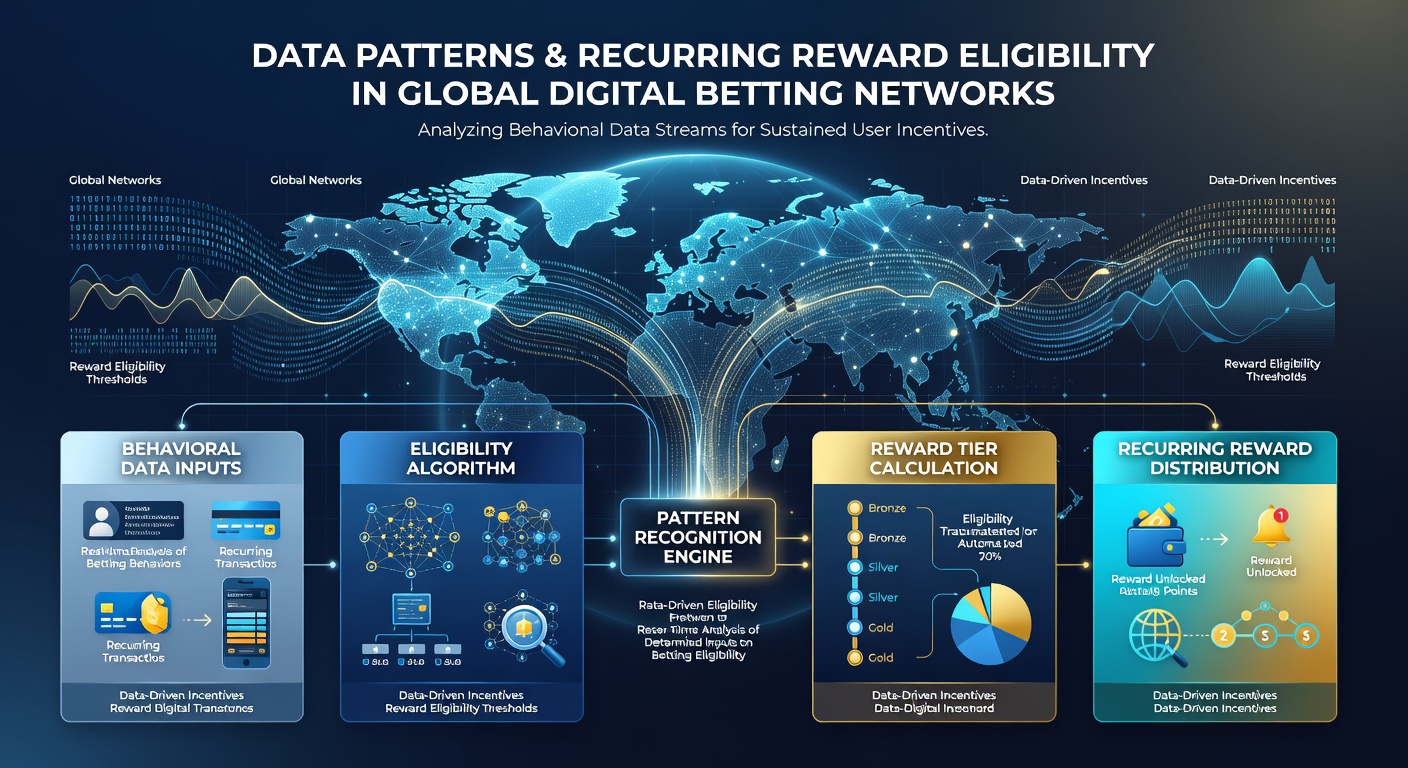
Betting platforms gather information through integrated software that logs every interaction in real time, creating profiles updated daily or weekly depending on network scale. These systems monitor variables such as deposit intervals, withdrawal patterns, and response to previous promotions, allowing algorithms to predict future activity and adjust reward thresholds accordingly. Research from institutions like the University of Nevada's International Gaming Institute shows how machine learning processes identify clusters of high-retention users whose betting sequences align with criteria for weekly or monthly incentives.
Networks in the United States, particularly those licensed in New Jersey and Pennsylvania, integrate state-mandated reporting tools that feed into internal analytics engines, while similar frameworks in Australia emphasize responsible gaming markers alongside commercial metrics. This layered approach ensures reward eligibility reflects both revenue generation and compliance signals, with data refreshed continuously to reflect shifts in user conduct.
Pattern Recognition Driving Reward Tiers
Algorithms detect recurring sequences such as consistent daily logins paired with escalating stake levels, which trigger automatic qualification for deposit-matched offers or free bet cycles. Observers note that platforms cross-reference time-of-day betting habits with geographic data to time reward notifications, increasing the likelihood of sustained participation. A 2025 industry report from the Canadian Gaming Association highlighted how predictive models reduced eligibility windows for low-activity accounts while expanding access for those exhibiting steady patterns over three-month periods.
Global networks further refine these models by incorporating cross-platform data from mobile and desktop interfaces, identifying users who migrate between formats and rewarding that consistency with bonus ladders that renew automatically. What's notable is the emphasis on velocity metrics, where rapid sequences of smaller bets often receive different treatment than sporadic large wagers, shaping distinct reward pathways.
Regional Variations in Implementation
European operators under frameworks like those overseen by the Malta Gaming Authority prioritize data transparency in reward calculations, requiring disclosures on how patterns influence eligibility for recurring promotions. In contrast, Asian markets with expanding digital betting infrastructure focus on volume-based triggers, where cumulative handle over defined intervals determines access to loyalty reloads. By May 2026, several networks had begun testing unified data standards across borders to streamline eligibility for international users while respecting local restrictions.
North American systems often link reward renewal to verified identity checks and financial thresholds, creating eligibility gates that reset monthly. Data indicates these variations produce measurable differences in retention rates, with networks adapting models to local player demographics and regulatory reporting cycles.
Impact on Player Segmentation and Network Operations
Segmentation based on data patterns allows operators to allocate marketing resources efficiently, reserving high-value recurring rewards for accounts demonstrating stable engagement metrics over multiple cycles. Those who've studied network operations note that churn prediction models integrate eligibility rules directly, pausing rewards for accounts showing early signs of disengagement while accelerating offers for rising trajectories. This dynamic adjustment maintains network liquidity and supports long-term platform sustainability across competitive markets.
External audits of these systems, including those referenced in reports from the European Gaming and Betting Association, confirm that pattern-driven eligibility reduces arbitrary bonus distribution and aligns incentives with measurable activity. Networks continue to refine these processes through iterative testing, incorporating feedback loops that update criteria quarterly.
Conclusion
Data patterns serve as the foundation for recurring reward eligibility in global digital betting networks by translating raw behavioral signals into structured access criteria that operate consistently across diverse regulatory environments. As platforms evolve their analytical capabilities through 2026 and beyond, these systems will likely incorporate additional variables such as device usage and social features while maintaining core reliance on historical sequences and predictive indicators. The result is a framework where eligibility emerges directly from observable conduct rather than static rules alone.