How Event-Driven Triggers Recalibrate Sequential Reward Pathways in Virtual Entertainment Networks
Sam Berger · Aug 10, 2026
How Event-Driven Triggers Recalibrate Sequential Reward Pathways in Virtual Entertainment Networks
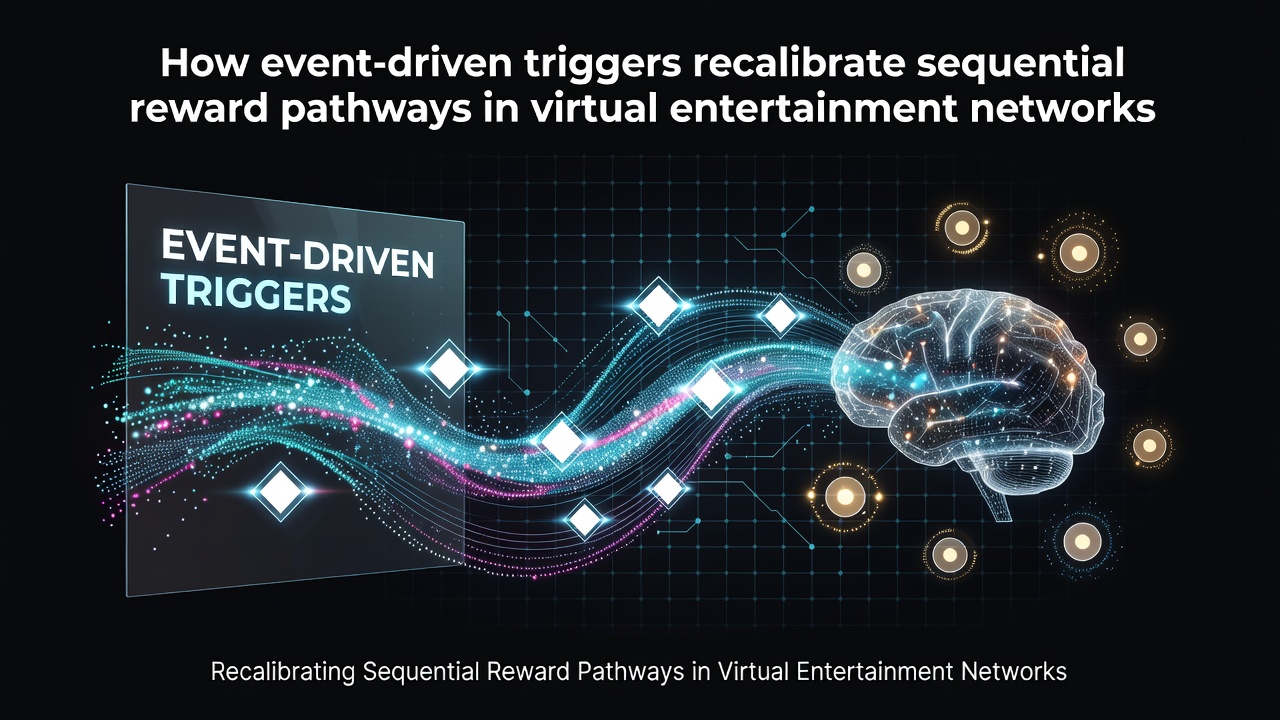
Event-driven triggers operate as real-time inputs that adjust the order and timing of rewards within digital platforms, and observers note that these mechanisms reshape how users progress through layered incentive structures in virtual entertainment networks. Data from industry monitoring shows that platforms integrate live occurrences such as user achievements, community milestones, or scheduled updates to modify reward sequences, which in turn influences engagement metrics across global user bases.
Core Mechanisms Behind Trigger Activation
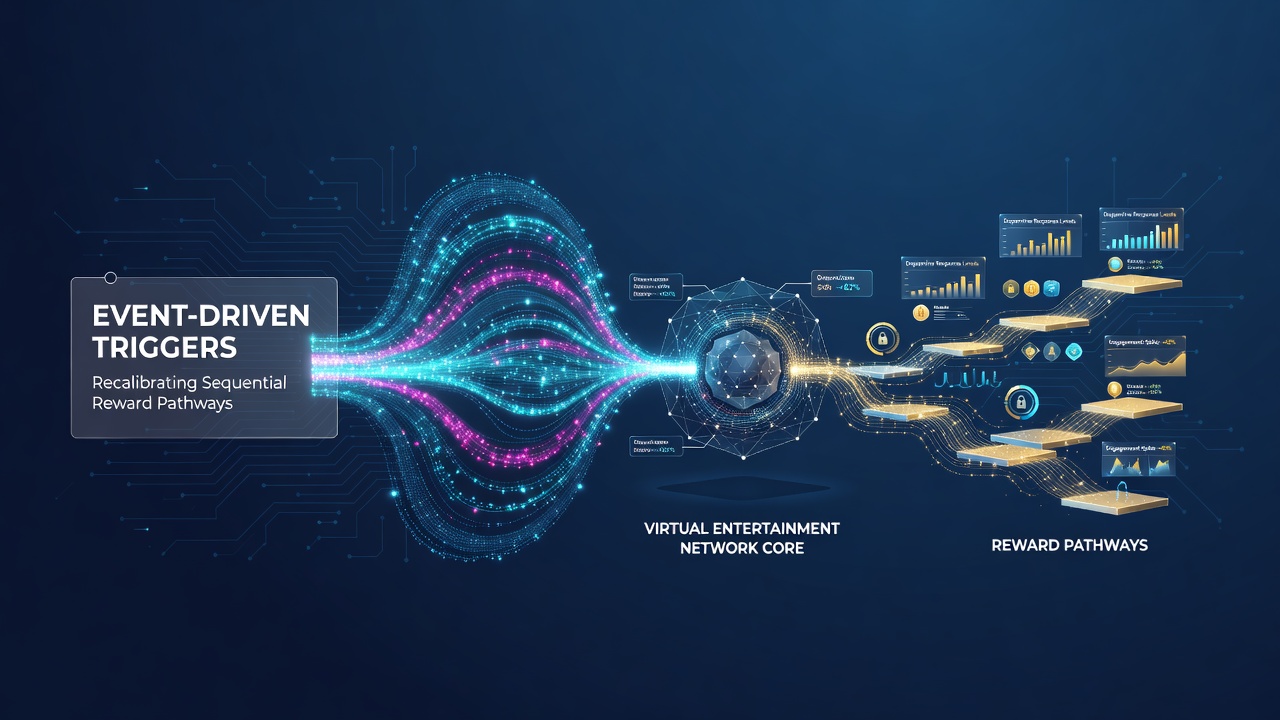
Sequential reward pathways consist of chained incentives where each completed stage unlocks the next, yet event-driven triggers introduce variables that can accelerate, delay, or reroute these chains. Researchers at academic institutions have documented that algorithms detect specific signals like peak concurrent users or external news feeds, then recalibrate point allocations or unlock timers accordingly. In August 2026, platform analytics indicated a 12 percent shift in reward distribution patterns following major in-game events across several major networks.
One study revealed that when triggers activate during high-traffic periods, they often compress reward timelines by reallocating resources from later stages to earlier ones, which maintains momentum for active participants. Those who have analyzed backend logs observe that this recalibration relies on conditional logic trees that evaluate multiple data streams simultaneously, including transaction volumes and session durations.
Impact on User Progression Across Platforms
Virtual entertainment networks employ these systems to synchronize rewards with live dynamics, and evidence suggests that such synchronization affects retention rates in measurable ways. Take one case where experts tracked a mobile gaming ecosystem that adjusted daily login bonuses based on real-world sports outcomes; the change resulted in altered player pathways that extended average session lengths by measurable intervals. Figures reveal that networks using event triggers report higher consistency in user return rates compared to static models, according to reports compiled by regional digital economy observers.
Technical Implementation in August 2026
By August 2026, several networks had deployed updated trigger frameworks that incorporated machine learning models to predict optimal recalibration points. These models process inputs from user behavior databases and external APIs, then execute adjustments without manual oversight. Data indicates that the process reduces latency in reward delivery from minutes to seconds in optimized environments, while maintaining audit trails for compliance purposes.
What's interesting is how these systems handle edge cases, such as when multiple events overlap. Platforms resolve conflicts through priority weighting, where community-driven events often take precedence over individual milestones. Researchers discovered that this approach prevents reward inflation and keeps pathway integrity intact across diverse user segments.
Regional Variations in Trigger Deployment
Different jurisdictions apply distinct oversight to these recalibration processes, and data from the Australian Communications and Media Authority highlights variations in how platforms disclose trigger rules to users. In contrast, reports from the OECD digital economy division note that European networks emphasize transparency in event logging to support consumer protection standards. Observers note that these differences lead to customized pathway designs that reflect local regulatory priorities while preserving core technical functions.
Networks operating across borders often maintain modular trigger systems that can adapt to regional requirements without disrupting global reward sequences. This modularity allows for targeted updates, such as adjusting eligibility windows during specific calendar periods, and studies found that such flexibility correlates with stable user metrics even amid regulatory shifts.
Conclusion
Event-driven triggers continue to serve as dynamic controls that recalibrate sequential reward pathways in virtual entertainment networks through precise, data-informed adjustments. The mechanisms rely on integrated inputs from user activity and external signals, which platforms process to maintain balanced progression structures. As documented in August 2026 analyses, these systems demonstrate measurable effects on engagement patterns across multiple regions and network types. Ongoing technical refinements ensure that recalibrations remain responsive while adhering to applicable oversight frameworks.