Mapping Interconnected Incentive Pathways from Initial Engagement to Sustained Participation in Regulated Digital Betting Spaces
Olivia Walter · Aug 19, 2026
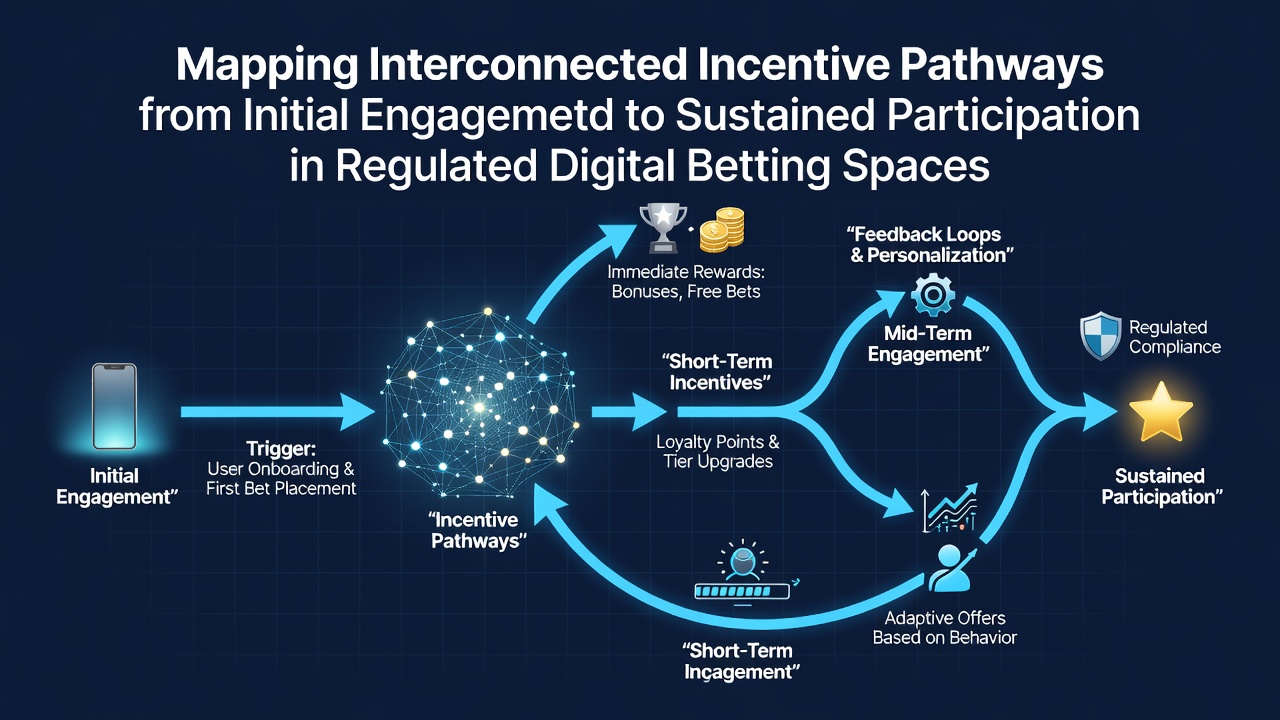
Mapping Interconnected Incentive Pathways from Initial Engagement to Sustained Participation in Regulated Digital Betting Spaces
Regulated digital betting platforms structure incentive pathways that begin with low-barrier entry points and extend through layered reward mechanisms designed to maintain user activity over extended periods, according to industry analyses from 2026. Observers note that these sequences often start with registration-based offers that require minimal financial commitment, then transition into deposit-linked multipliers and loyalty accumulations that respond to ongoing play patterns. Data from multiple jurisdictions indicates that such mappings help platforms comply with oversight rules while tracking how initial actions connect to longer-term retention metrics.
Initial Engagement Mechanisms in Controlled Markets
Platforms in regulated environments typically activate first-stage incentives through account creation processes that trigger immediate access to trial credits or free rounds without upfront deposits, and these steps feed directly into verification protocols that unlock further options once identity checks clear. Researchers have documented how these early nodes link to subsequent deposit requirements where matched funds become available only after users complete specified transaction thresholds, creating a chained progression that regulators monitor for fairness. In August 2026 reports from the Victorian Commission for Gambling and Liquor Regulation highlighted similar structures across Australian operators, where engagement data showed steady progression rates from zero-cost starts into verified accounts.
Regulatory Influences on Pathway Design
Government bodies enforce caps on incentive values and mandate clear disclosure of terms, which shapes how platforms sequence rewards from entry-level offers toward recurring participation tools. Those who study these systems observe that rules in places like Ontario require operators to tie bonus eligibility to responsible gaming checks, thereby connecting initial sign-ups to sustained activity only after users pass periodic assessments. Evidence from the National Council on Problem Gambling suggests these requirements reduce abrupt drop-offs by encouraging gradual involvement rather than rapid escalation. Platforms adjust their internal algorithms to flag when a user moves from trial phases into deposit cycles, and this synchronization ensures compliance while mapping participation trends across user cohorts.
What's notable is the way transaction timelines intersect with reward releases, since verification delays can pause progression from early incentives to matched deposits, and data patterns reveal that shorter approval windows correlate with higher continuation rates in several European markets. Observers point to case examples where operators in New Jersey integrated real-time processing to maintain flow between stages, preventing breaks that might otherwise interrupt the pathway from first engagement to repeated sessions.
Layered Rewards and Long-Term Retention Dynamics
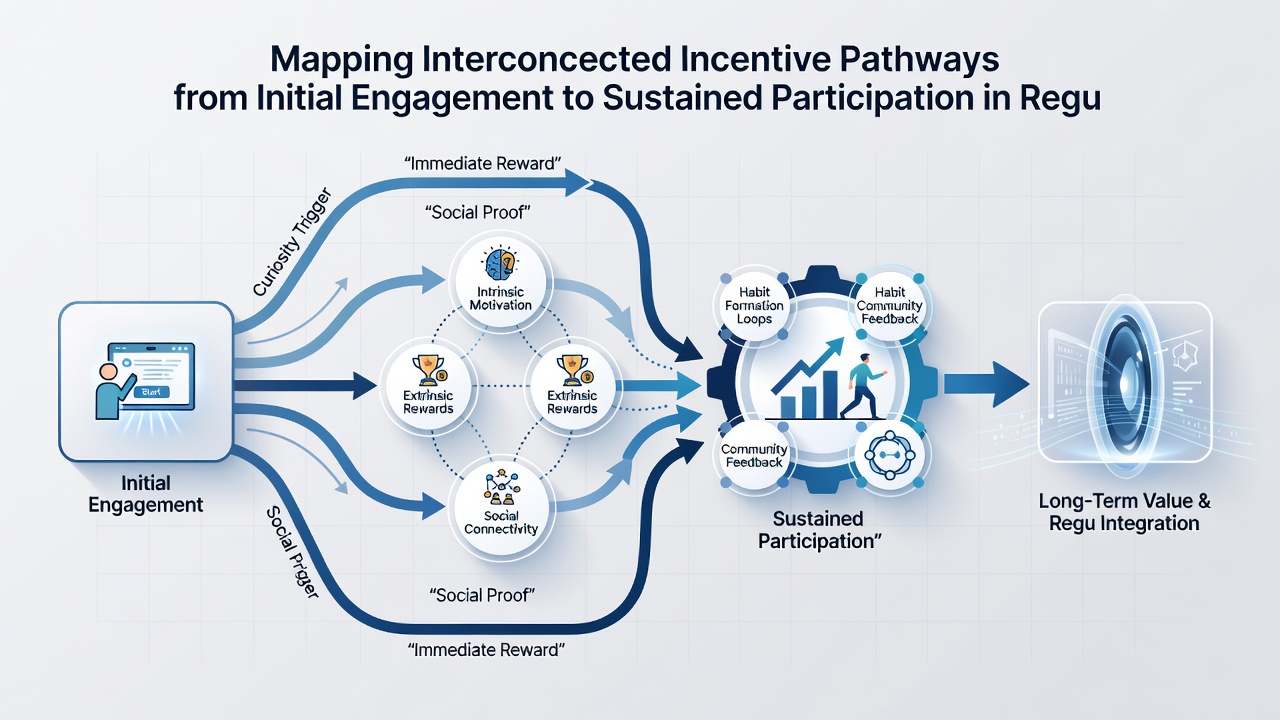
After the initial phases, pathways incorporate tiered accumulation systems that reward consistent deposits and play volume with escalating benefits, such as cashback percentages or priority access features that activate based on cumulative metrics. Studies conducted by academic teams at the University of Nevada, Reno have tracked how these mid-level nodes connect back to starting incentives through shared user profiles, allowing platforms to personalize follow-up offers that build directly on early behaviors. Figures released in mid-2026 showed participation extending beyond six months in regulated segments where such interconnections were actively managed, particularly in markets with strict audit trails.
But here's the thing: synchronization with external events like sports calendars can accelerate movement along these pathways, because live-match timelines often trigger time-sensitive multipliers that pull users from basic engagement into higher-frequency sessions. Regulators in Canada have required documentation of these event-driven links to confirm they do not bypass spending limits, and this oversight creates additional data points that map how temporary boosts feed into sustained patterns. One analysis of mobile platforms found that users who encountered these timed layers after their first verified deposit showed elevated return rates compared with those who followed linear sequences alone.
Interconnections Across Global Frameworks
Cross-border operators must align their incentive mappings with varying regional rules, which means a single pathway might branch differently depending on user location and applicable licensing conditions. The European Gaming and Betting Association has compiled reports showing that platforms operating in multiple jurisdictions use modular designs to adjust reward unlocking sequences without violating local caps, and these adaptations maintain continuity from entry points to retention stages. Data patterns collected across such networks indicate that currency handling and conversion processes also influence eligibility timing, since fluctuating exchange values can shift when certain bonuses become accessible in international accounts.
Platforms employ tracking systems that record each transition point, from registration to first deposit and onward to loyalty tiers, generating datasets that regulators review during compliance audits. In August 2026 updates from oversight bodies in several Asia-Pacific territories, these records demonstrated how initial low-friction entries correlate with extended activity when follow-up incentives activate predictably. Observers note that disruptions at any node, such as delayed verifications or mismatched terms, tend to reduce progression rates, prompting operators to refine their internal linkages accordingly.
Conclusion
Mapping these interconnected incentive pathways reveals structured sequences that regulated digital betting spaces use to guide users from first contact through ongoing involvement, with each stage dependent on prior completions and external compliance factors. Information gathered from diverse regulatory sources and research institutions continues to illustrate how these systems operate within legal boundaries while responding to participation data. As frameworks evolve, the connections between early engagement tools and sustained mechanisms remain central to operational planning across the sector.