Mapping the Journey of Player Incentives from Zero-Cost Starts to Matched Deposits in Crypto-Enabled Mobile Platforms
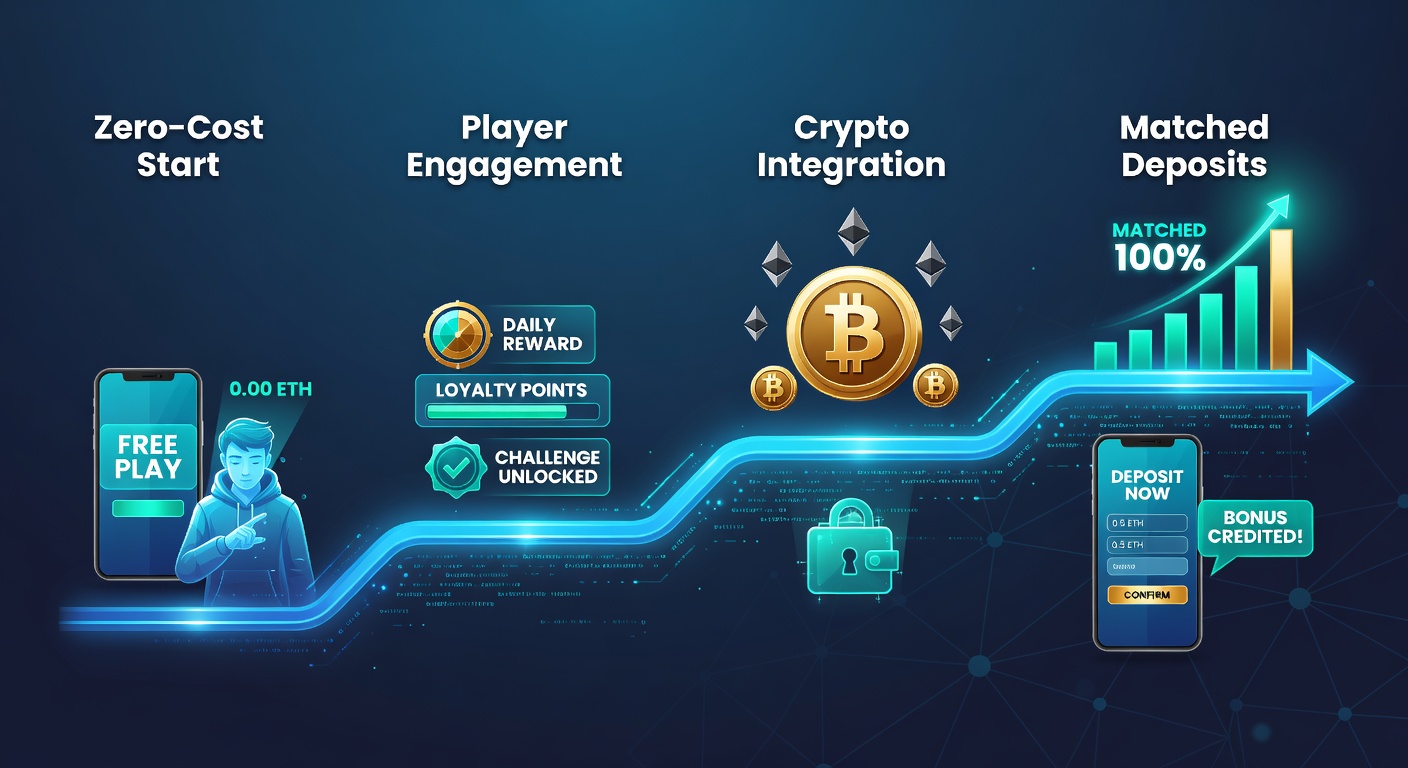
Player incentives in crypto-enabled mobile platforms follow a structured path that begins with zero-cost entry points and advances toward matched deposit structures, with operators designing sequences to encourage sustained engagement through mobile applications. Research indicates these journeys typically start with no-deposit bonuses that allow users to test games without initial financial commitment, while data from industry reports shows progression often hinges on verification steps adn gameplay thresholds that unlock deposit incentives. As of May 2026, platforms have integrated cryptocurrency wallets directly into mobile interfaces, streamlining transitions from free play to funded accounts where matched deposits provide additional credits based on user contributions.
Zero-Cost Entry Points in Mobile Crypto Environments
Zero-cost starts commonly appear as free spins, bonus credits, or trial balances delivered upon registration in crypto-enabled apps, and observers note these offers frequently require only email confirmation or basic profile setup before activation. Studies from academic institutions reveal that such incentives help platforms acquire users in competitive markets, with figures from Canadian regulatory analyses indicating higher initial sign-up rates when crypto options like Bitcoin or stablecoins support instant verification. Players receive these starters without depositing, yet terms often include wagering requirements that must be met before any winnings convert to withdrawable funds, and this setup creates a natural bridge to deeper participation.
Platforms operating in regions overseen by bodies such as iGaming Ontario track how users interact with these zero-cost features through mobile analytics, and reports highlight that engagement metrics improve when apps allow seamless crypto transfers for any follow-up actions. One case documented by researchers at the University of Nevada, Las Vegas, demonstrated that users who completed free spin rounds were more likely to explore deposit options within the same session, as mobile notifications prompted progression once certain play volumes were reached.
Transition Pathways from Free Play to Deposits
Transitions occur when platforms trigger matched deposit opportunities after users meet play-based criteria tied to the initial zero-cost bonuses, and analysts observe that these triggers often appear as personalized offers within the app dashboard. Data shows operators use algorithms to monitor activity levels, converting free balance usage into deposit match eligibility once thresholds like total spins or time spent are satisfied. Crypto integration plays a central role here because mobile wallets enable rapid funding without traditional banking delays, allowing users to claim matches in real time through blockchain confirmations.
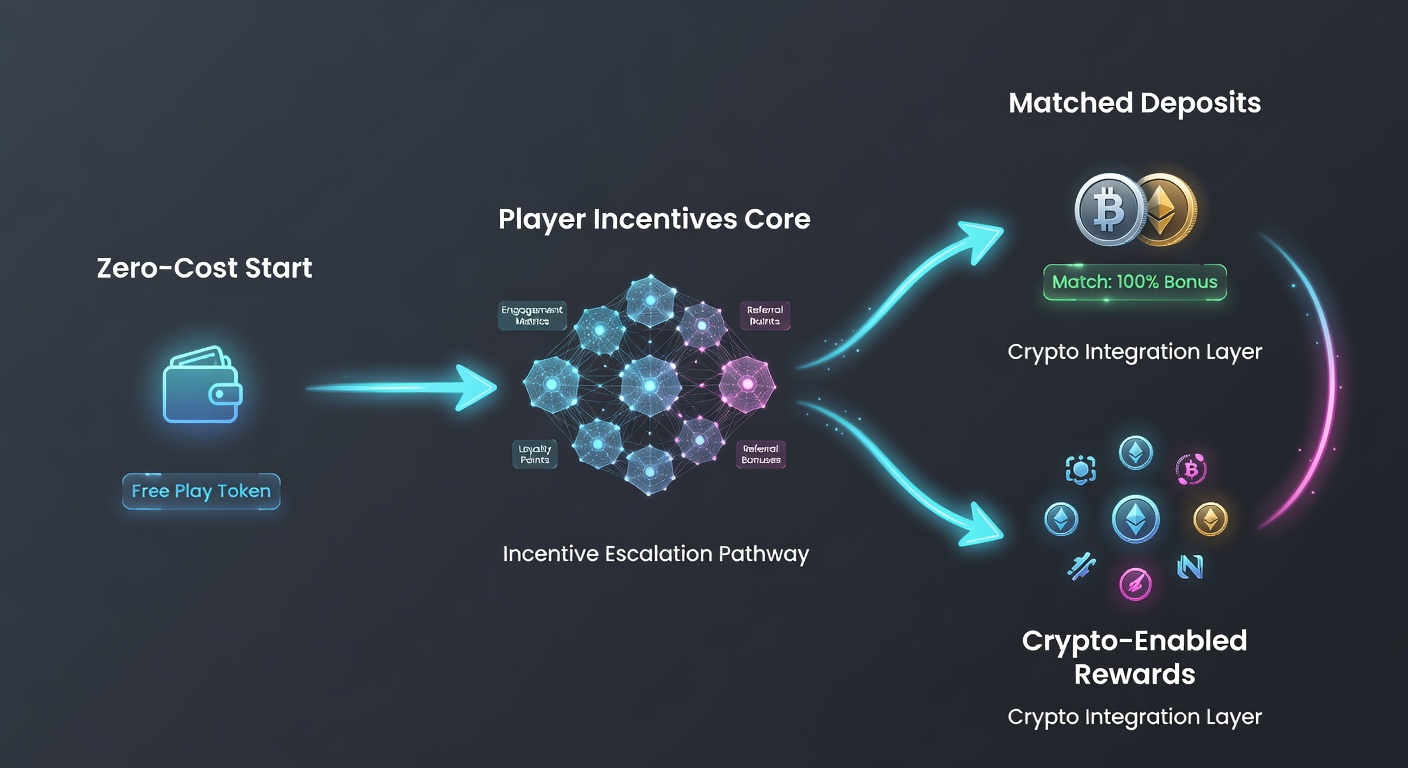
According to findings published by the European Gaming and Betting Association, such pathways increase retention when they incorporate progressive matching tiers, where early deposits receive smaller percentage boosts while subsequent ones unlock higher multipliers. Mobile platforms further facilitate this by embedding deposit buttons directly alongside active bonus trackers, so users encounter the option to add funds without leaving the gaming interface. Those who have examined user behavior patterns note that crypto-enabled systems reduce friction during these shifts, as transaction fees remain low and settlement happens within minutes rather than days.
Structure of Matched Deposits in Crypto Mobile Systems
Matched deposits function by crediting additional bonus amounts proportional to user deposits, typically ranging from 100 percent up to 200 percent on initial funded transactions, and evidence from regulatory filings indicates these structures vary by jurisdiction to align with local responsible gaming guidelines. In May 2026, several platforms introduced dynamic matching that adjusts based on cryptocurrency volatility, protecting users from market swings during the deposit window. Mobile applications display these offers through clear progress bars that update as deposits are confirmed on the blockchain, providing transparency about bonus release schedules.
Operators often combine matched deposits with crypto-specific rewards such as reduced house edges on certain games or exclusive tournament entries, and research indicates these layered incentives sustain activity after the transition from zero-cost starts. Platforms licensed under frameworks like those in Malta integrate automated compliance checks that verify deposit sources before releasing matches, ensuring adherence to anti-money laundering standards while maintaining smooth mobile experiences. Figures reveal that users who move through this full incentive journey tend to maintain higher lifetime values on apps that support multiple crypto assets for both deposits and withdrawals.
Regulatory and Platform Considerations Shaping the Journey
Regulatory environments influence how operators design these incentive sequences, with different regions imposing caps on bonus values or wagering multipliers to protect participants. Canadian provincial frameworks, for instance, emphasize clear disclosure of terms within mobile apps, requiring that all steps from zero-cost activation to matched deposit claiming remain visible and auditable. Meanwhile, European operators align with directives that monitor player spending patterns across crypto transactions, adjusting incentive triggers accordingly to prevent overextension.
Platform developers respond by building modular systems that adapt incentive flows based on user location and chosen cryptocurrency, and this flexibility allows global reach without uniform structures. Data from trade association surveys shows continued growth in mobile crypto adoption through 2026, with operators refining transition mechanics to balance acquisition costs against long-term engagement returns.
Conclusion
The progression from zero-cost starts to matched deposits in crypto-enabled mobile platforms represents a deliberate sequence shaped by technological capabilities, regulatory requirements, and observed user patterns. Platforms continue to refine these journeys through integrated wallets and responsive algorithms, supporting both entry-level testing and scaled participation. As mobile crypto gaming expands, the mapping of these incentives remains central to how operators structure player experiences across diverse markets.