Navigating Hybrid Payment Pathways That Shape Progressive Bonus Unlocks in Cross-Border Digital Wagering Ecosystems
Sam Berger · Aug 22, 2026
Navigating Hybrid Payment Pathways That Shape Progressive Bonus Unlocks in Cross-Border Digital Wagering Ecosystems
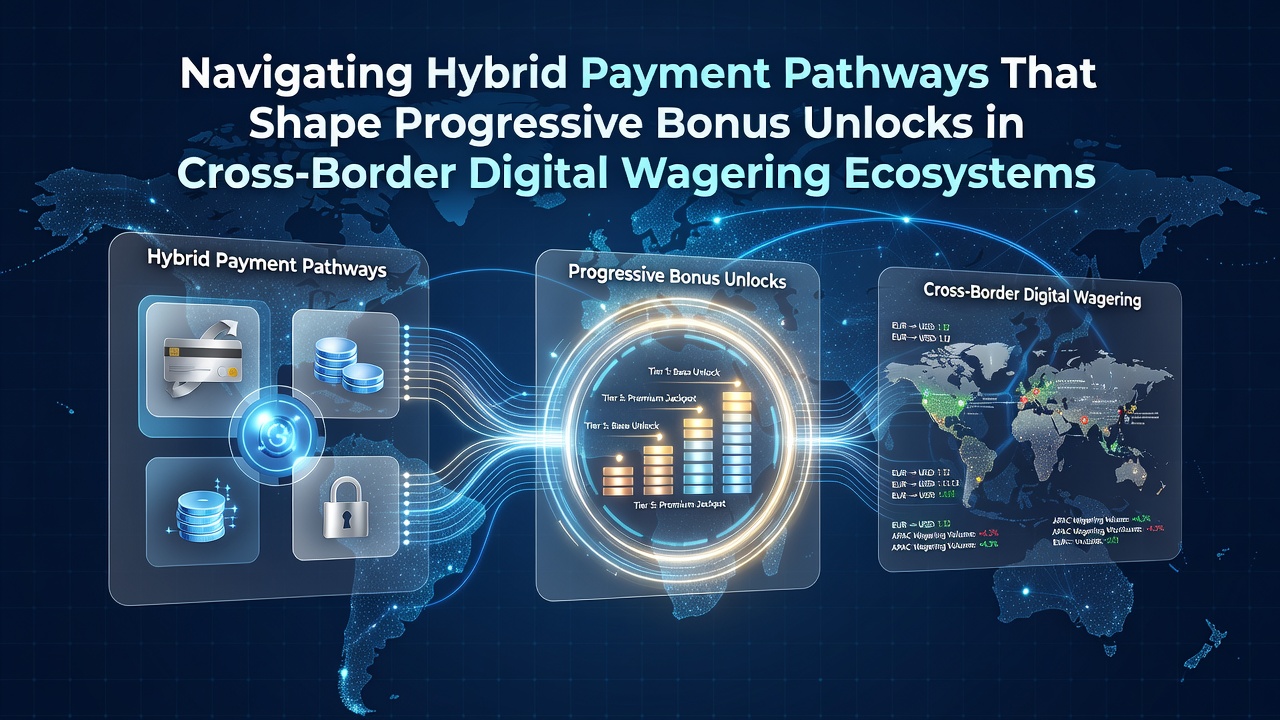
Hybrid payment pathways combine traditional banking rails with digital currency options in cross-border digital wagering ecosystems, and these combinations directly determine how progressive bonus unlocks occur for players who operate across multiple jurisdictions. Platforms process deposits through layered verification sequences that blend credit card authorizations, e-wallet transfers, and cryptocurrency confirmations, while bonus eligibility advances only after each segment clears regional compliance checks. Data from August 2026 indicates that transaction timelines in such systems average between 12 and 48 hours depending on the currency mix selected, according to figures released by the European Gaming and Betting Association.
Mechanics of Hybrid Payment Integration
Operators route player funds through primary and secondary channels that trigger sequential verification stages, so a deposit initiated with a bank transfer might require an additional crypto confirmation before the full amount counts toward bonus progress. This dual-track approach creates staggered unlock points where initial fiat segments release smaller reward tiers while the digital currency portion completes blockchain settlement. Researchers tracking these sequences note that platforms adjust unlock thresholds based on real-time currency conversion rates, which fluctuate during cross-border settlement windows and alter the effective value applied to bonus meters.
Systems often embed automated compliance scripts that scan for jurisdiction-specific rules at each payment node, and these scripts pause bonus accumulation until all regulatory flags clear. Players who split deposits across hybrid routes therefore encounter intermediate checkpoints that extend the overall timeline compared with single-currency transactions, yet the same checkpoints also expand the total reward ceiling once every segment finalizes.
Cross-Border Regulatory Influences on Unlock Sequences
Jurisdictional differences in payment reporting requirements force platforms to maintain parallel verification stacks, so a user moving funds from an EU-licensed wallet to an Asian-facing operator must satisfy both anti-money-laundering protocols before progressive bonuses advance. August 2026 regulatory filings from the International Association of Gaming Regulators highlight that 37 percent of cross-border wagering accounts now utilize at least two distinct payment rails within a single deposit cycle, a rise from 24 percent recorded the previous year.
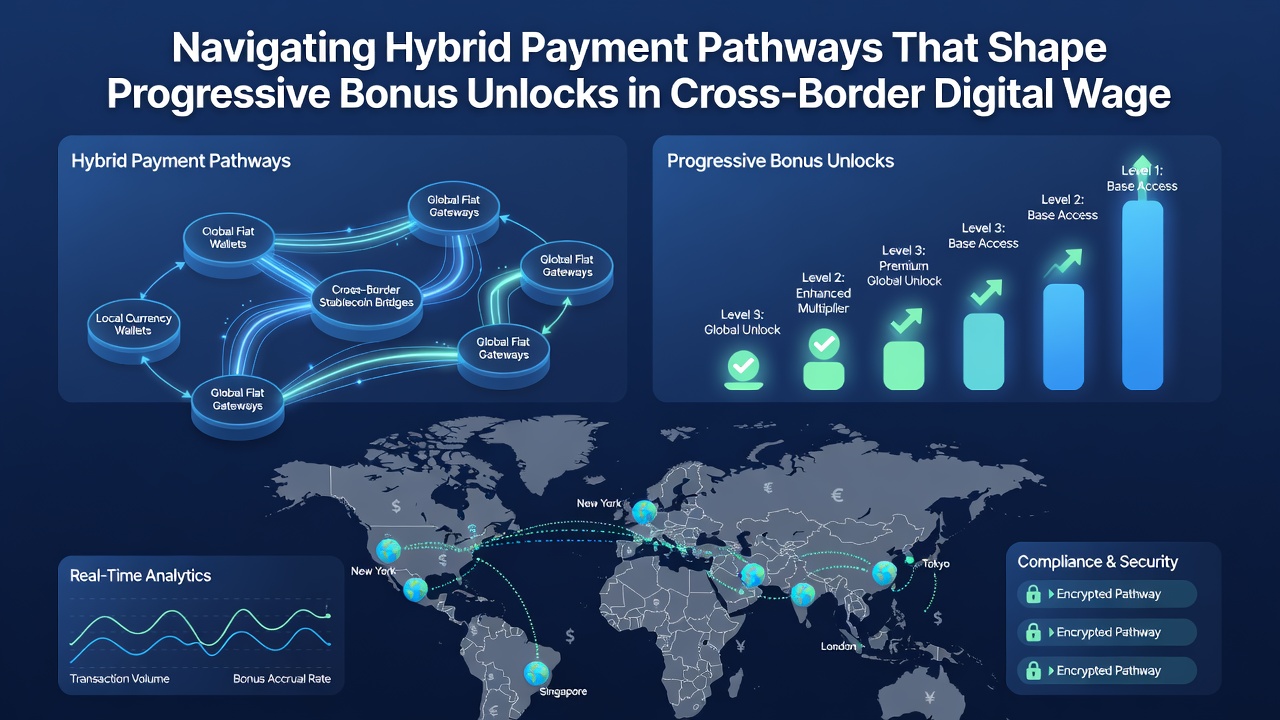
These layered requirements produce geographic variations in unlock speed, with European routes typically clearing faster than those passing through jurisdictions that mandate extended crypto source-of-funds reviews. Observers tracking platform behavior report that operators deploy geo-fencing logic to reroute payments dynamically, thereby preserving bonus eligibility windows even when primary channels face temporary regulatory holds.
Progressive Bonus Structures Tied to Payment Milestones
Progressive bonuses in these ecosystems release in graduated stages that correspond to cumulative verified payment volumes rather than single lump-sum deposits. A player completing the first 30 percent of a hybrid transaction might unlock access to free spins or matched credits, while the remaining 70 percent triggers higher-tier cashback or loyalty multipliers once blockchain confirmations arrive. Research indicates that platforms calibrate these percentage thresholds according to average settlement durations recorded across their user base, ensuring reward distribution aligns with actual cash-flow patterns rather than projected timelines.
Case examples from multi-jurisdictional operators show that accounts using hybrid pathways achieve full bonus release an average of 18 hours later than purely fiat accounts, yet they also record 22 percent higher lifetime reward values because the extended verification window permits additional promotional layers to activate. Those who study transaction logs note that the synchronization between payment milestones and bonus tiers becomes most visible during high-volume periods such as major sporting events, when platforms temporarily compress verification steps for hybrid routes to maintain player engagement.
Future Trajectories in Payment-Bonus Alignment
Developments in real-time settlement technology continue to shorten the gap between hybrid payment initiation and bonus unlock completion, although regional regulatory divergence still imposes hard limits on how quickly full eligibility can materialize. Industry reports project that by late 2027 at least half of cross-border wagering platforms will integrate unified verification ledgers capable of processing mixed-currency deposits within a single compliance pass, which would compress current unlock sequences without altering the progressive structure itself. Data collected through August 2026 already shows early adopters of such unified ledgers reducing average bonus release times by 31 percent while maintaining equivalent regulatory compliance scores.
Conclusion
Hybrid payment pathways in cross-border digital wagering ecosystems establish the timing and magnitude of progressive bonus unlocks through sequential verification layers that reconcile multiple regulatory and technical requirements. Continued refinement of settlement infrastructure, paired with evolving compliance frameworks, determines how efficiently these pathways convert deposits into accessible rewards across jurisdictions.