Player Behavior Analytics Driving the Evolution of Multi-Stage Reward Systems Across Borderless Gambling Networks
Mia Simmons · Jul 22, 2026
Player Behavior Analytics Driving the Evolution of Multi-Stage Reward Systems Across Borderless Gambling Networks
Player behavior analytics have reshaped how multi-stage reward systems operate across borderless gambling networks and operators now rely on continuous data streams to adjust incentives in real time. These networks span multiple jurisdictions yet maintain unified player profiles that track every wager, session length, and deposit pattern without regard to geographic boundaries.
Data Collection Fuels Progressive Reward Structures
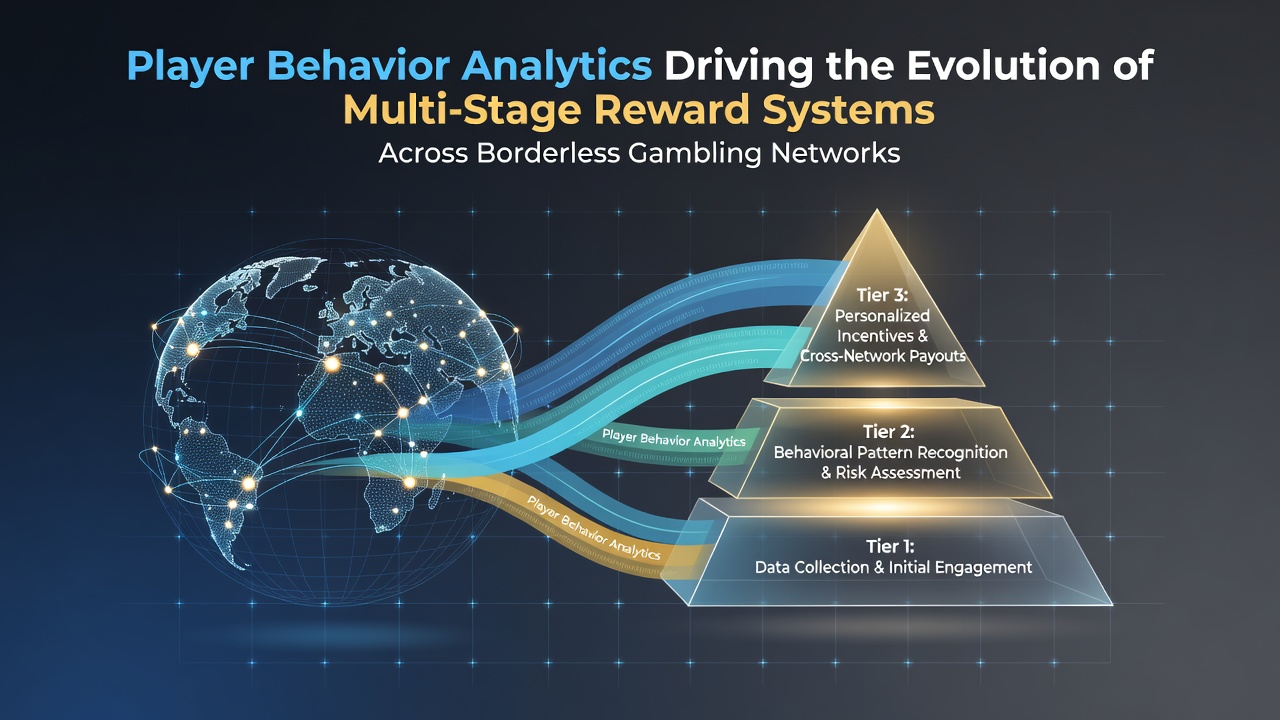
Platforms gather information from login times, game preferences, and withdrawal habits while algorithms segment users into cohorts that unlock successive reward tiers automatically. One cohort might receive small instant credits after the first ten spins whereas another advances through deposit-linked multipliers that scale based on frequency metrics collected over weeks. Researchers at the University of Nevada Reno documented how such segmentation increased retention rates by aligning reward delivery with observed behavioral clusters rather than static schedules.
Borderless networks add another layer because currency fluctuations and regulatory differences require analytics engines to normalize data across regions. A player in one country who bets in euros triggers the same progression logic as a counterpart wagering in digital tokens elsewhere and the system converts activity into standardized loyalty points that feed the next reward stage.
July 2026 Updates Highlight Real-Time Adaptation
During July 2026 several networks rolled out updated models that incorporated live event data such as sports outcomes or tournament results directly into reward calculations. Observers noted that these integrations allowed operators to shift from fixed multi-stage ladders to dynamic sequences where a player’s recent performance in a live market could accelerate or reset their current tier within minutes. Figures released by the Canadian Gaming Association showed a measurable uptick in cross-border account activity coinciding with these model refinements.
Technical Architecture Behind the Shifts
Modern systems employ machine learning models trained on anonymized transaction histories that predict when a user is likely to disengage and insert an intermediate reward to maintain momentum. These models operate across distributed servers so that a session started on a mobile device in Asia continues seamlessly when the same account accesses a desktop interface in Europe. The architecture supports instant recalculation of remaining stages without requiring manual intervention from compliance teams in each market.

Security protocols encrypt behavioral profiles at the point of collection and transmit only aggregated signals to the central reward engine. This approach satisfies varying data protection requirements while still enabling the granular personalization that drives the evolution of staged incentives. According to a 2025 industry report from the Asia Pacific Association of Gaming Regulators, networks using encrypted cohort analysis reduced reward-related disputes by nearly one third compared with earlier rule-based systems.
Examples of Multi-Stage Implementation
Take one network that links an initial no-cost entry stage to a verification checkpoint and finally to a high-value multiplier unlocked only after sustained activity thresholds are met. Analytics determine the precise timing of each checkpoint by monitoring drop-off points in similar historical profiles. Another operator ties reward stages to social features where group participation metrics influence individual progression rates and the system adjusts group incentives based on collective engagement data gathered across time zones.
These implementations demonstrate how analytics move beyond simple loyalty points into layered sequences that respond to both individual and network-wide patterns. The result is a reward environment that feels responsive rather than predetermined and operators continue to refine the underlying models as new data arrives daily.
Regulatory Context Across Regions
Regulators in multiple jurisdictions have begun requesting access to the same behavioral datasets that power reward engines so they can verify fair delivery of incentives. In Australia the national gambling research framework now includes provisions for auditing algorithmic reward triggers while Canadian provincial bodies focus on transparency reports that outline how player data influences stage advancement. Such oversight encourages networks to document every variable used in progression logic and to maintain audit trails that span their borderless operations.
Conclusion
Player behavior analytics continue to redefine multi-stage reward systems by replacing rigid schedules with responsive sequences that adapt to observed actions across global networks. The integration of real-time signals, encrypted cohort modeling, and cross-jurisdictional data normalization has produced incentive structures that scale with user activity while meeting diverse regulatory expectations. As platforms collect additional metrics through 2026 and beyond, the evolution of these systems remains tied directly to the quality and breadth of behavioral insights they process.