Player Retention Patterns in Sequential Incentive Chains Across Borderless Digital Wagering Apps
Olivia Walter · Aug 17, 2026
Player Retention Patterns in Sequential Incentive Chains Across Borderless Digital Wagering Apps
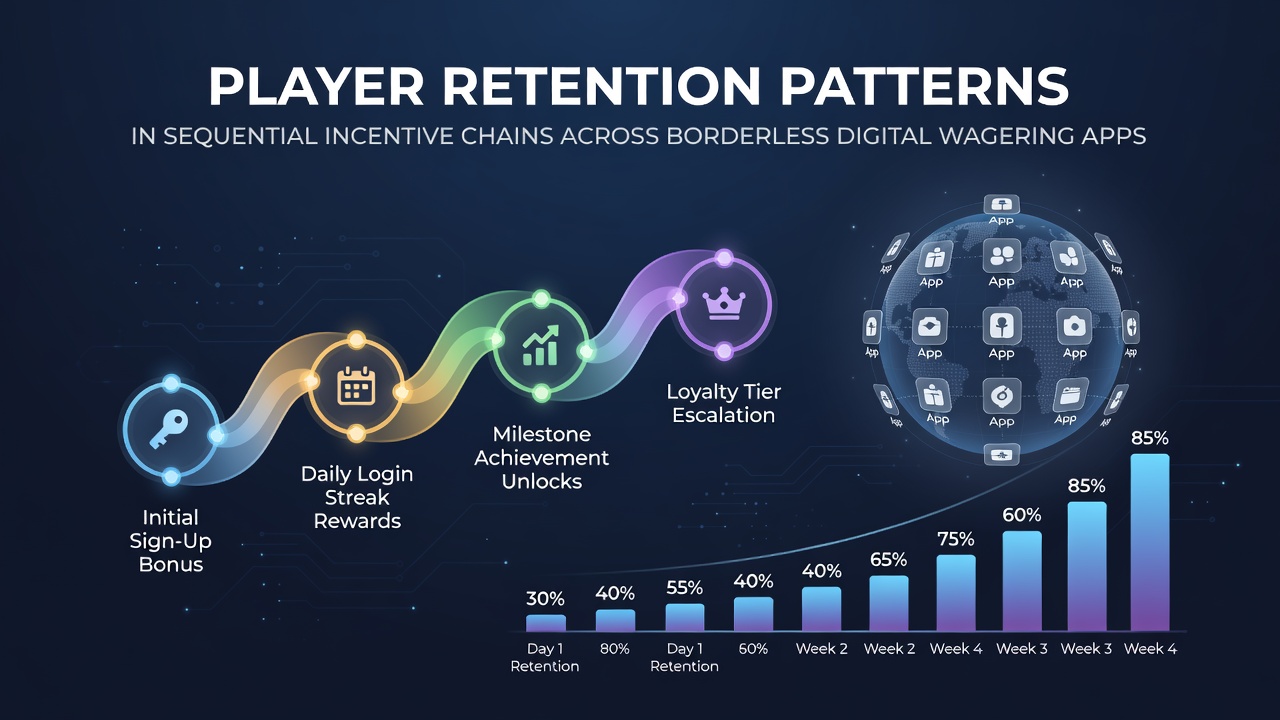
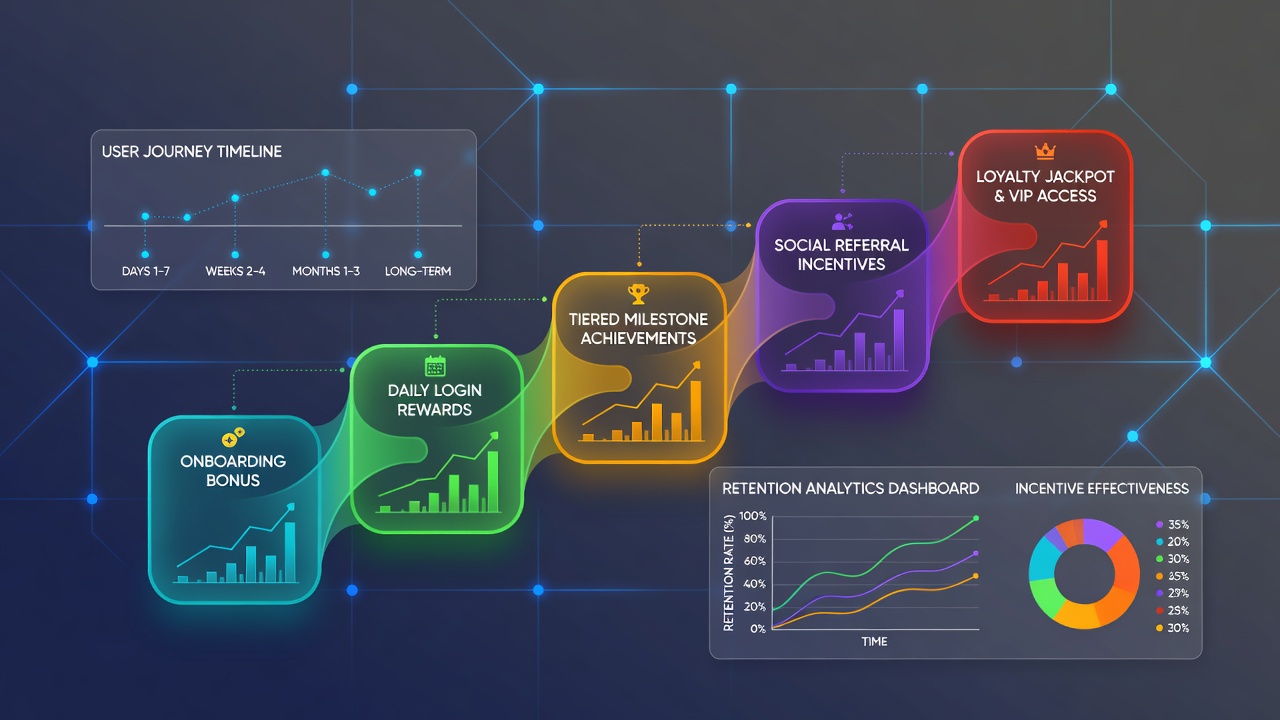
Sequential incentive chains operate as structured sequences of rewards that begin with entry-level offers and progress through deposit matches, reload bonuses, and accumulation-based perks within borderless digital wagering apps. These chains appear across global platforms that serve users in multiple jurisdictions through mobile interfaces, and they shape how players move from initial engagement toward repeated activity over time. Data collected from platform analytics indicate that completion rates for the first two stages often exceed 60 percent while later stages see measurable declines in participation.
Mapping Chain Progression and User Flow
Researchers who examined transaction logs across several multinational apps found that players typically advance through four to six linked incentives before activity stabilizes or drops. The initial no-deposit stage draws users in, yet conversion to the first funded deposit shows the steepest retention curve according to aggregated figures released in August 2026. Subsequent reload offers and cashback triggers then function as stabilizers that reduce churn when timed within 48 to 72 hours of prior play sessions.
Observers note that borderless apps integrate currency conversion tools directly into these chains, allowing seamless movement between fiat and digital assets without interrupting the sequence. This integration correlates with higher completion percentages in regions where regulatory frameworks permit cross-border access, whereas stricter local rules produce earlier exits from the chain.
Data Patterns in Retention Metrics
Studies conducted by the Gambling Research Exchange Ontario reveal that players who complete at least three sequential stages demonstrate 2.3 times greater session frequency over a 90-day window compared with those who exit after the entry offer. Similar patterns emerge in reports from the Australian Gambling Research Centre, which tracked retention across apps operating in multiple time zones and found that milestone-based unlocks tied to cumulative deposits produce the longest average user lifespan.
Platform operators adjust trigger thresholds based on these observed patterns, shifting bonus values or frequency when dropout rates exceed baseline thresholds. In August 2026, several networks reported implementing dynamic sequencing that responds to real-time behavioral signals, such as reduced deposit sizes or extended intervals between logins.
Borderless Operations and Regulatory Variables
Because these apps function without geographic boundaries, incentive chains must accommodate varying compliance requirements while maintaining consistent user experiences. European operators often embed responsible gaming checkpoints at specific chain milestones, and North American platforms incorporate state-specific verification steps that can extend sequence timelines. Those who've analyzed compliance data note that added verification layers increase drop-off risk yet also filter for higher-value users who proceed through the remaining stages.
Turnout statistics from multi-jurisdictional audits show that chains incorporating live-event synchronization retain users longer when major sporting calendars align with bonus unlock windows. This synchronization appears most effective in markets where users maintain accounts across several apps simultaneously, allowing them to shift activity when one chain reaches a pause point.
Observed Variations by User Segment
Segmented analysis indicates that high-frequency mobile users complete sequential chains at higher rates than desktop-oriented players, largely because push notifications and in-app reminders keep the sequence visible. Crypto-enabled chains further shorten the interval between stages because transaction confirmations occur faster than traditional banking rails, reducing the window during which users might disengage.
One longitudinal review of activity logs found that players who receive personalized chain adjustments based on prior completion speed maintain activity for an average of 47 additional days compared with those on static sequences. These adjustments typically involve recalibrating deposit thresholds or introducing interim micro-rewards that bridge longer stages.
Conclusion
Sequential incentive chains continue to evolve as operators refine progression logic using retention data gathered across borderless networks. Patterns identified in 2026 highlight the importance of timing, verification efficiency, and adaptive thresholds in sustaining user movement through each stage. As regulatory environments shift and transaction technologies advance, the structure of these chains will likely incorporate additional variables while preserving the core sequence that links initial access to sustained engagement.