Seasonal Fluctuations: How Timing Shapes Accumulating Perks in Worldwide Digital Play Networks
Mara Hoffmann · Jul 25, 2026
Seasonal Fluctuations: How Timing Shapes Accumulating Perks in Worldwide Digital Play Networks
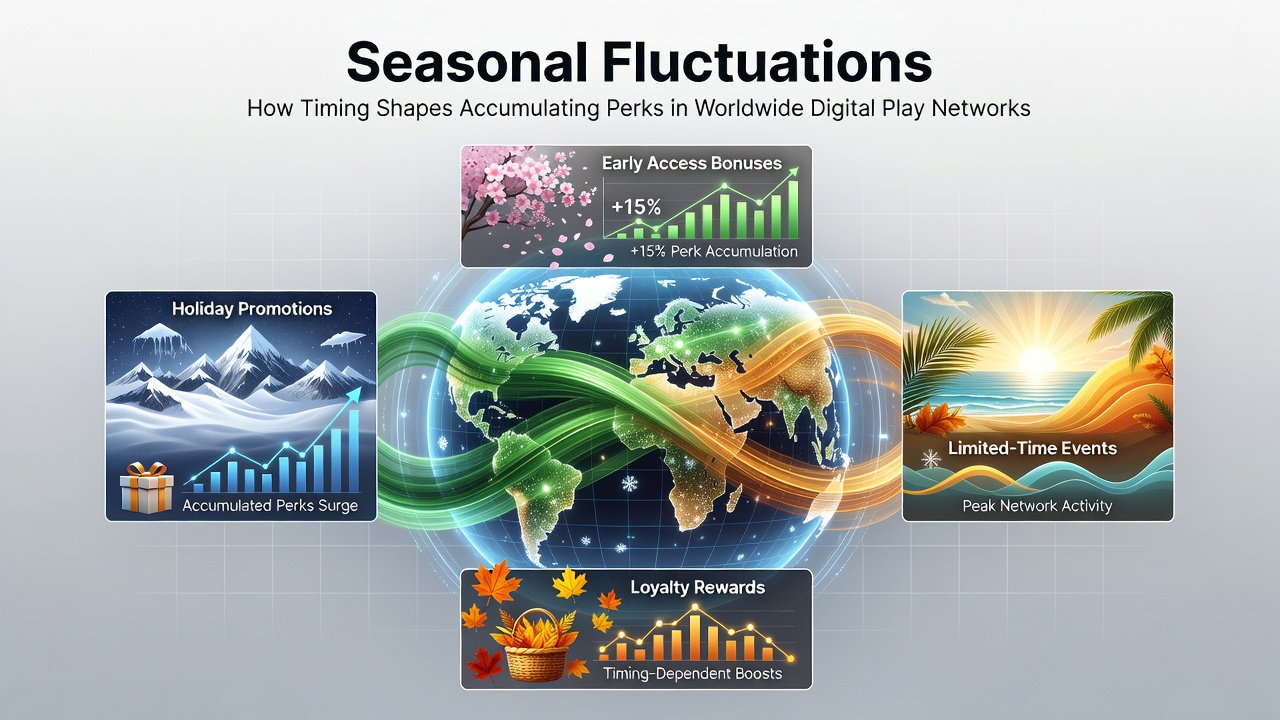
Seasonal shifts drive measurable changes in how players accumulate perks across worldwide digital play networks, and platforms adjust bonus structures, eligibility windows, and reward multipliers accordingly. Data from multiple regions indicate that summer months often see increased activity tied to sports calendars while winter periods align with holiday-themed promotions that extend accumulation periods. Observers note these patterns emerge consistently year after year because timing influences both player engagement levels and the technical sequencing of reward unlocks.
Global Patterns in Seasonal Reward Timing
Research from industry monitoring groups reveals that digital platforms synchronize perk accumulation cycles with major calendar events such as major sporting tournaments, national holidays, and weather-related behavioral changes. In North America, for instance, platforms frequently extend deposit-match windows during July because data shows elevated mobile usage during summer travel periods. European networks meanwhile accelerate tiered reward progressions around major football events that peak in different seasons. These adjustments allow players to stack multiple incentive layers when timing aligns with regional calendars.
Regional Regulatory and Platform Responses
Authorities in different jurisdictions track these fluctuations to ensure compliance with responsible gaming standards. The Nevada Gaming Control Board publishes quarterly reports that document how online operators modify bonus release schedules during peak seasons, while the Australian Gambling Research Centre compiles data on how seasonal promotions affect long-term player retention metrics across digital networks. Platforms respond by shortening or lengthening accumulation windows based on these observed trends, which in turn affects how quickly users reach higher reward tiers.
July 2026 stands out in recent projections because several major sporting events coincide with traditional summer holiday periods, prompting platforms to launch synchronized global campaigns that link live-event timelines to layered perk unlocks. Operators in multiple markets have already begun adjusting their algorithms to account for these overlapping cycles, creating opportunities for players to combine regional promotions that would normally operate separately.
How Timing Influences Perk Accumulation Mechanics
Digital networks rely on timestamped transaction data and player activity logs to determine eligibility for accumulating rewards. When seasons change, platforms recalibrate the intervals between bonus triggers, deposit requirements, and unlock sequences. Studies indicate that shorter accumulation periods during high-traffic seasons increase completion rates for lower-tier rewards while longer windows in slower periods help maintain engagement among dedicated users. This dynamic creates predictable yet complex patterns across different time zones and player demographics.
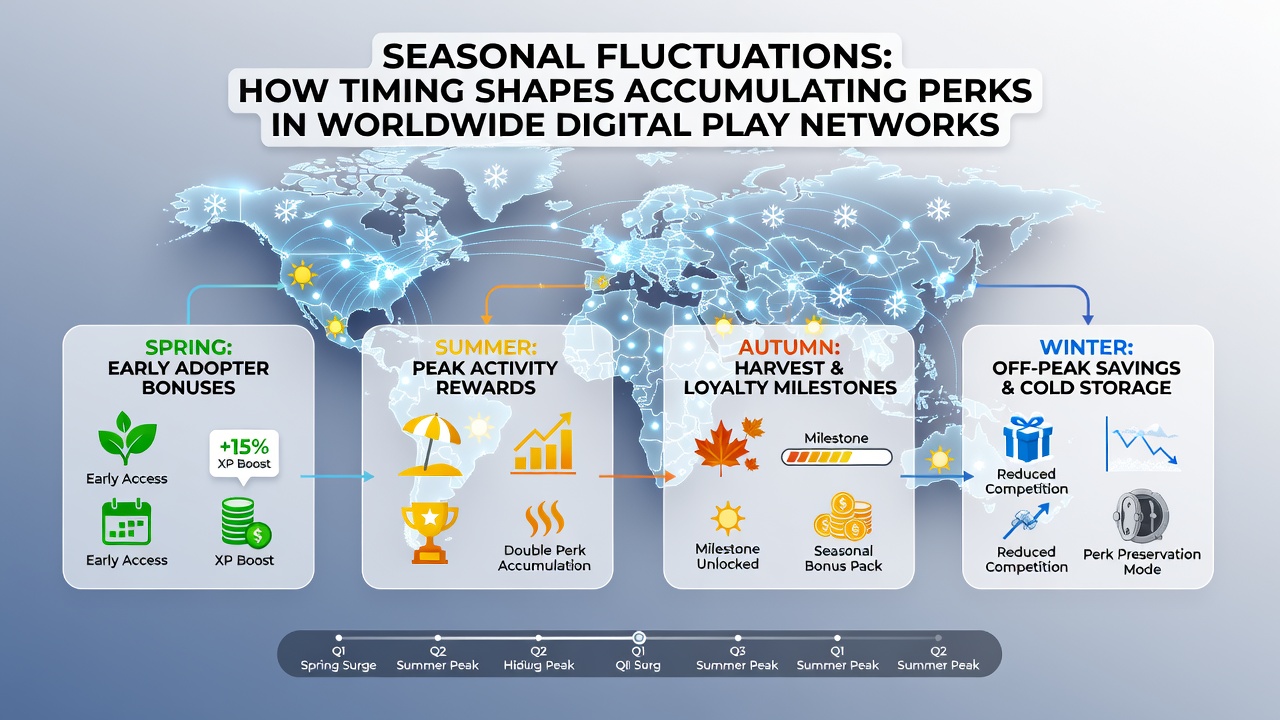
Platforms integrate weather data, sports schedules, and cultural calendars into their backend systems so that reward offers activate automatically when conditions match historical engagement peaks. One documented approach involves extending crypto transaction windows during holiday seasons because conversion rates and verification times fluctuate with increased network traffic. These technical adaptations ensure that accumulating perks remains accessible even when external factors might otherwise disrupt normal play patterns.
Case Examples Across Markets
Take the Canadian market where operators align summer festival periods with multi-week accumulation challenges that reward consistent logins. Similar structures appear in Asian markets during lunar calendar events, where platforms introduce tiered multipliers that build across several weeks. Data collected by the European Gaming and Betting Association shows these synchronized approaches produce higher overall participation rates compared to static year-round offers. Players who monitor these seasonal shifts often discover they can combine overlapping promotions from multiple networks when timing permits.
What's significant is how these fluctuations affect long-term player progression rather than isolated promotions. Networks that fail to adjust their schedules according to seasonal data risk losing users to competitors who time their rewards more precisely. Academic papers on digital gaming behavior consistently highlight timing as one of the strongest predictors of reward completion rates across international platforms.
Conclusion
Seasonal fluctuations continue to shape how accumulating perks function within worldwide digital play networks because timing directly impacts both player behavior and platform mechanics. As operators refine their approaches using regional data sources and regulatory guidelines, the relationship between calendar events and reward structures grows more sophisticated. Those who study these patterns gain clearer insight into why certain periods deliver denser opportunities for perk accumulation while others require more strategic planning from participants.