Unraveling how transaction verification timelines influence reward unlocking sequences in portable digital wagering setups

Transaction verification timelines play a central role in determining when reward unlocking sequences activate across portable digital wagering setups, and operators structure these processes around payment method, network conditions plus regulatory requirements. Mobile platforms handle deposits through cards, e-wallets and cryptocurrencies, each carrying distinct confirmation windows that directly affect bonus activation and progressive reward tiers. Data from the Alcohol and Gaming Commission of Ontario shows average verification spans range from seconds for instant methods to several hours for traditional bank transfers, creating staggered unlocking patterns that users encounter during typical sessions.
Core Verification Stages in Mobile Environments
Portable devices initiate transactions through app interfaces that route requests to payment processors, after which automated checks confirm funds, validate user identity and screen for compliance flags before releasing rewards. Shorter timelines, such as those seen with certain crypto networks, allow immediate progression into wagering sequences, whereas longer ones introduce deliberate pauses that align with security protocols. Observers note that platforms often embed these delays into reward logic so that unlocking events trigger only after full verification completes, preventing premature bonus releases that could conflict with jurisdictional rules.
Research indicates three primary stages dominate the process: initial authorization, fraud screening and final ledger update. Each stage adds incremental time, and mobile users experience this through status notifications that update reward meters in real time once thresholds clear. Those who track patterns across multiple apps find that verification speed correlates strongly with reward tier advancement, particularly when deposit bonuses require confirmed balances before multiplier calculations begin.
How Timelines Shape Reward Unlocking Sequences
Reward sequences in portable wagering setups follow predefined chains where verification completion serves as the gatekeeper for each subsequent stage. A deposit that clears in under a minute might unlock an initial free spin allocation immediately, yet the same amount processed through slower channels delays the entire chain by hours, shifting eligibility windows for follow-on multipliers or cashback triggers. Studies from academic gaming research centers demonstrate that platforms adjust these sequences dynamically based on historical verification data, ensuring that slower methods receive compensatory time extensions in the unlocking schedule rather than outright disqualification.
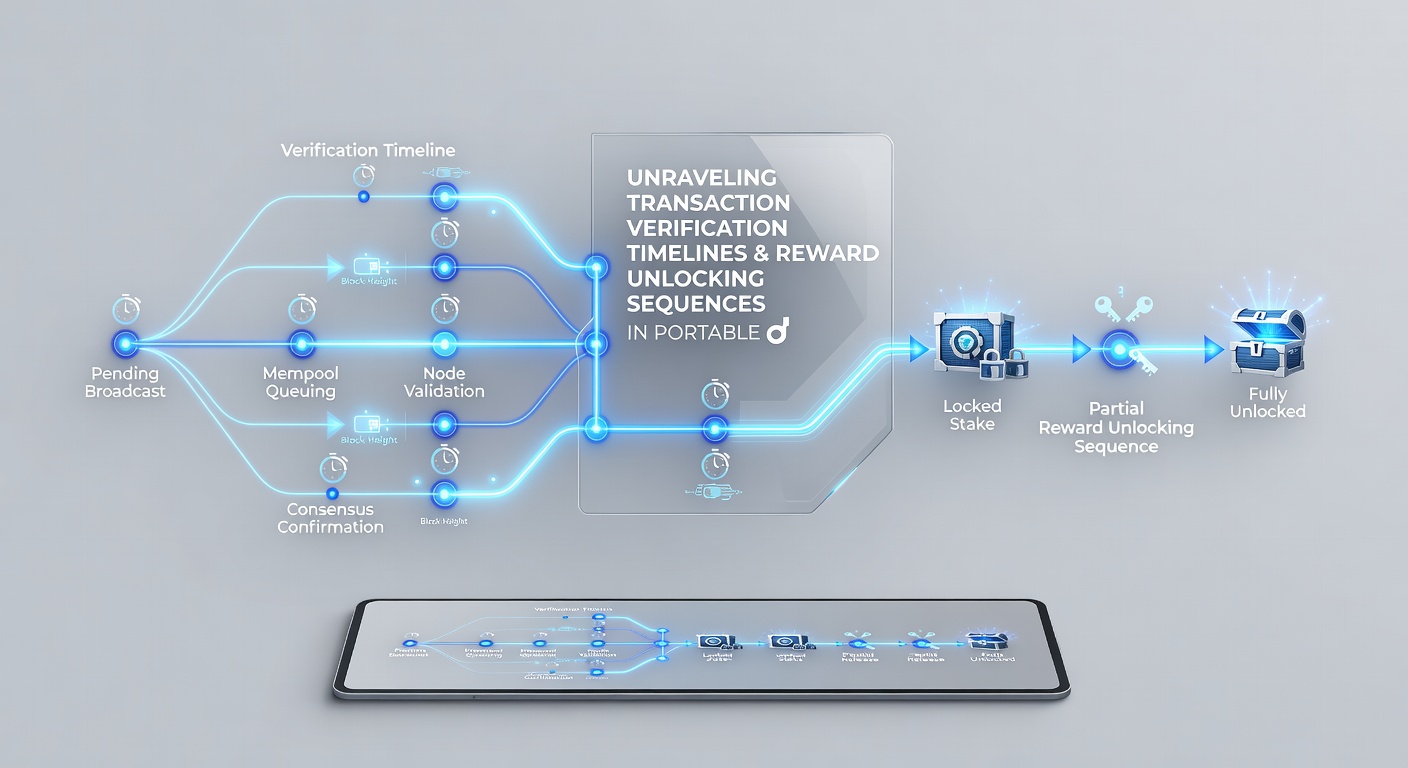
Operators integrate timeline buffers into their algorithms so that reward meters advance proportionally to verification progress, creating a visible countdown that users monitor on handheld screens. When verification extends beyond standard windows, sequences pause at specific checkpoints, such as the transition from deposit confirmation to wagering requirement tracking. Figures from industry reports reveal this mechanism maintains consistency across sessions while accommodating the variable speeds of different payment rails.
Regional Variations and Platform Adaptations
Portable digital wagering systems adapt verification timelines to regional regulations, producing noticeable differences in reward unlocking behavior between markets. European operators frequently employ tiered screening that shortens timelines for verified accounts, allowing reward sequences to unlock faster for returning users, while North American platforms emphasize extended fraud checks that extend the initial phase. As of June 2026 several major networks began testing unified verification standards that compress these regional gaps without altering core reward logic.
Users navigating cross-border apps often encounter hybrid timelines where a single transaction passes through multiple regional nodes, each adding its own confirmation layer before the reward sequence resumes. Data indicates that crypto-enabled mobile setups tend to minimize these extensions because blockchain confirmations operate independently of traditional banking hours, resulting in more predictable unlocking schedules compared with card-based methods.
Impact on User Progression and Platform Metrics
Verification timelines influence not only individual reward unlocking but also aggregate platform metrics such as session duration and repeat deposit rates. Longer verification windows correlate with extended wait periods before users engage with unlocked rewards, prompting operators to introduce interim notifications that maintain engagement during the delay. Research from responsible gaming institutions shows these interventions help sustain progression through reward sequences even when verification stretches across multiple hours.
Portable setups track verification speed as a performance indicator, adjusting reward parameters in response to aggregated timeline data collected across device types and network conditions. When patterns emerge showing consistent delays on certain mobile carriers, platforms modify unlocking thresholds to compensate, preserving sequence integrity without extending overall wagering requirements.
Conclusion
Transaction verification timelines serve as foundational controls that dictate the pace and order of reward unlocking sequences throughout portable digital wagering environments. Mobile platforms balance security demands against user expectations by embedding these timelines directly into reward logic, producing consistent yet adaptable progression paths. Continued evolution in payment technologies promises further refinement of these interactions, particularly as standardized protocols roll out across additional jurisdictions in the coming years.